

Research software stories
Netherlands eScience Center
We are the Dutch national centre of expertise for research software.
Featured
Making 3D Real: How 3DLab Is Bringing Scientific Data to Life
Imagine trying to understand the structural integrity of a Roman ruin, or the complex vascular network of a biological organ, by looking at a flat map or static 2D photographs. You might get the general idea, but the depth, the context, and the reality are lost in translation. W...
Jun 25, 2026·Thijs van Lankveld
EE
eScience Editorial TeamResearch Software Engineers in the Age of GenAI: Same Value, Changing Practice
Stephan Druskat, Michelle Barker, Ian Cosden, Cunliang Geng, Robert Haines, Daniel S. Katz, Joseph Shingleton, Ben van W...
May 28, 2026
EE
eScience Editorial TeamCo-Designing a Roadmap for Training on Research Software Templates and Code Auditing
Training materials are most effective when they are created hand-in-hand with the communities who will actually use them...
May 15, 2026
FD
Faruk DiblenProvenance in the age of AI: Why we need AI Declarations for more transparency
In research, if our methodology is not transparent, our results are not verifiable. Using AI to help generate code or sy...
Apr 23, 2026eScience Editorial Team·Apr 9, 2026
FOSDEM 2026: Observations and key takeaways
eScience Editorial Team·Mar 26, 2026
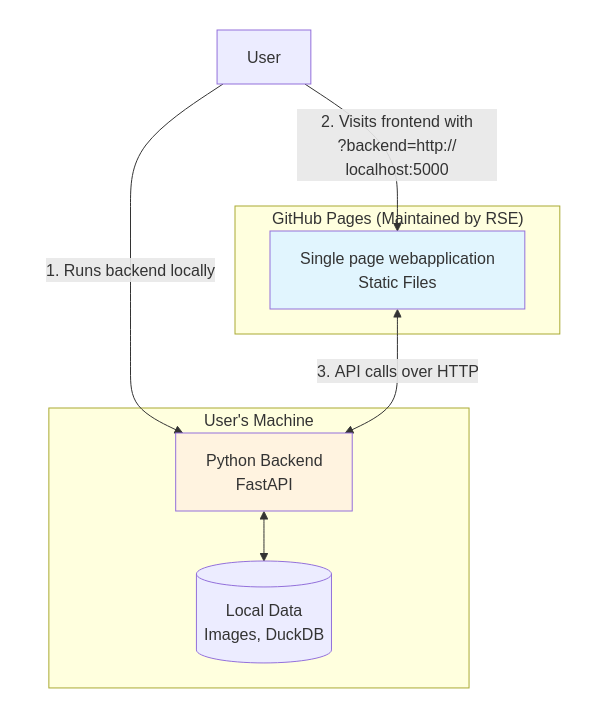
Bring Your Own Backend
eScience Editorial Team·Mar 18, 2026
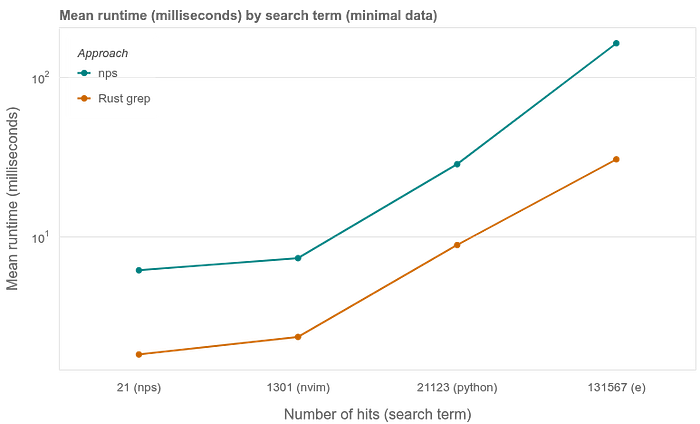
Give Me Data, Yesterday
Jesse Gonzalez·Feb 26, 2026
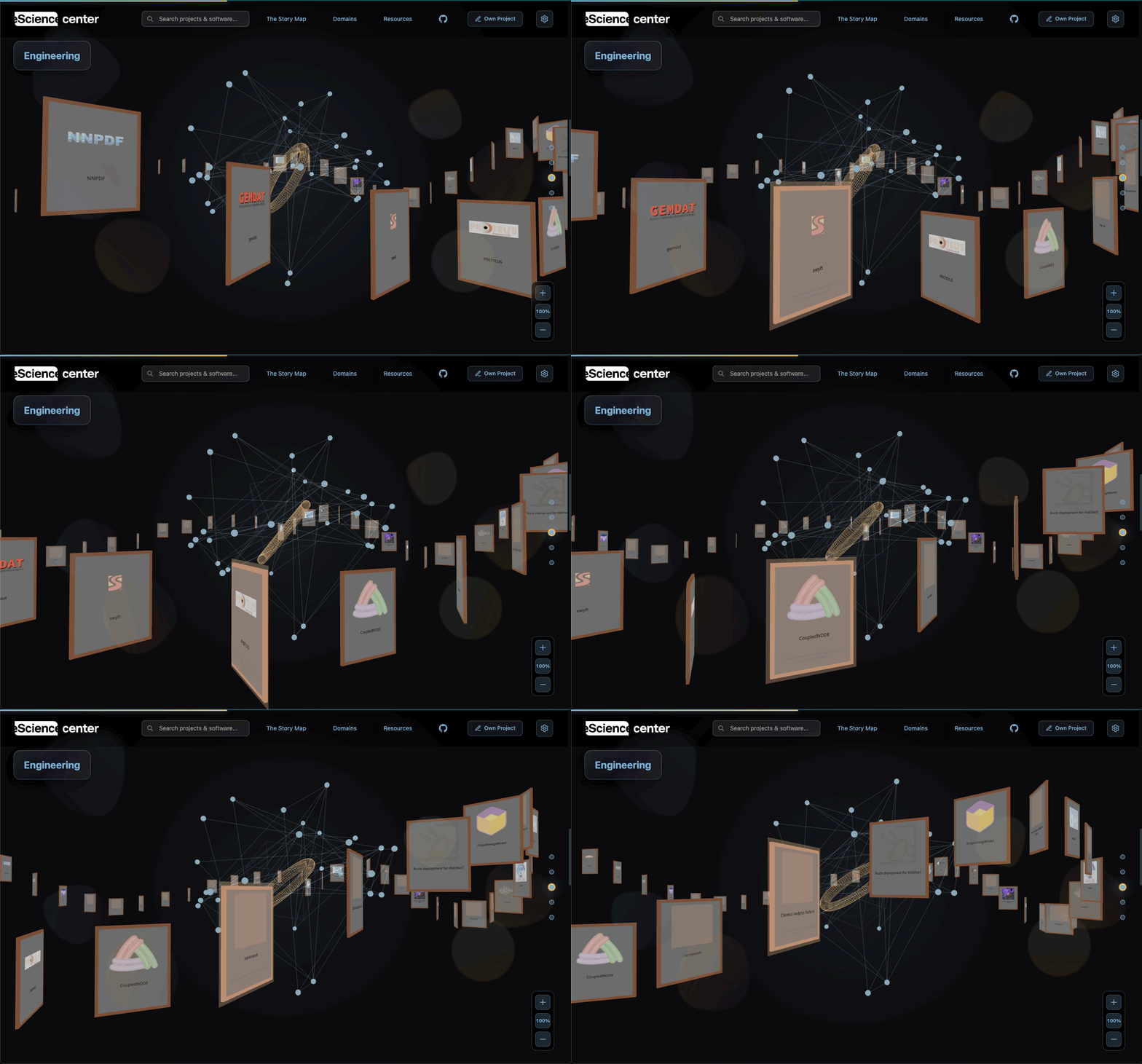
Making LLMs Work for Science: How AI-Powered Storytelling Helps Researchers Communicate Their Software
eScience Editorial Team·Feb 11, 2026
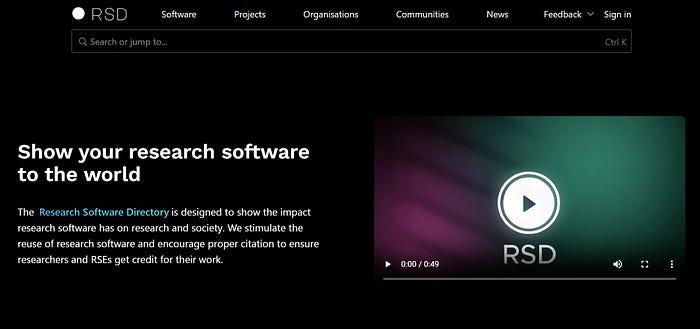
Enabling best practices for sustainable software in the Natural & Engineering sciences (SS-NES)
Bart Schilperoort·Jan 15, 2026
Use Julia to write code that runs on any GPU
eScience Editorial Team·Dec 9, 2025
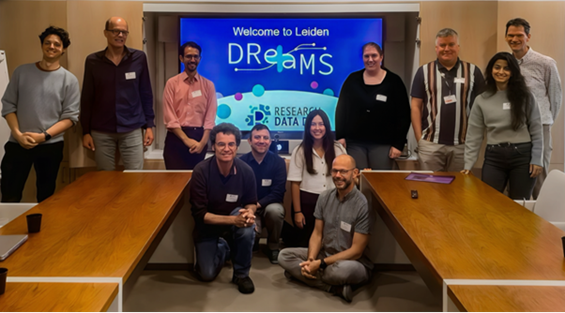
Strengthening Research Software Management in Dutch UMCs: Highlights from the Second DReaMS Community Meetup
Peter Kalverla·Dec 5, 2025
A special gift (December 5th)

Pablo Rodríguez-Sánchez·Nov 26, 2025
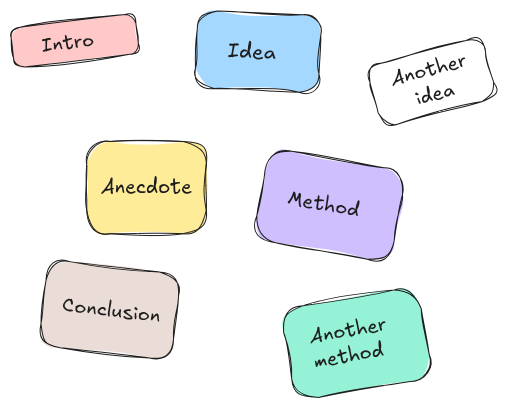
The story map
Netherlands eScience Center·Nov 6, 2025
From PhD Student to Auto-Tuning GPU Expert. Meet Floris-Jan.
eScience Editorial Team·Oct 23, 2025
Why companies win by investing in Open-Source Software
Pablo Rodríguez-Sánchez·Oct 9, 2025
Why teach calculus in the age of AI
Patrick Bos·Sep 25, 2025
Be like Jurriaan
Peter Kalverla·Aug 28, 2025
5 tips for writing a successful eScience Center proposal

Carsten Schnober·Jul 10, 2025
Could AI be (in) FAIR?
Flavio Hafner·Jun 27, 2025
Empirically evaluating privacy in machine learning I: Introduction
Flavio Hafner·Jun 17, 2025
Empirically evaluating privacy in machine learning II: Hypothesis testing
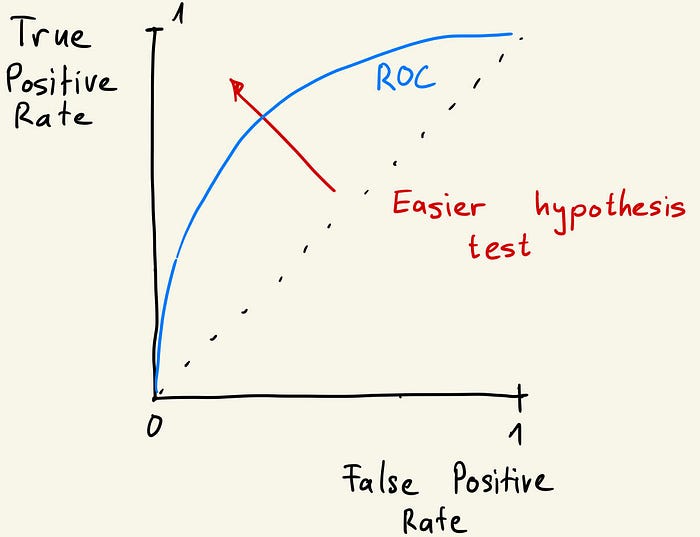
Flavio Hafner·Jun 17, 2025
Empirically evaluating privacy in machine learning III: functional & gaussian differential privacy
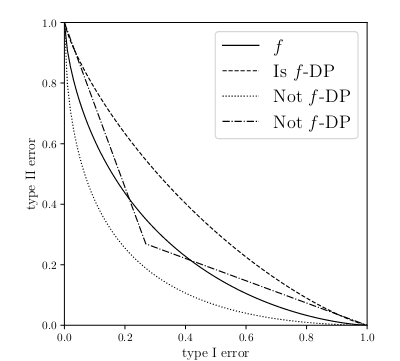
eScience Editorial Team·May 20, 2025
Scientific Community Building through Workshops: the NPLinker eScience experience
Flavio Hafner·May 6, 2025
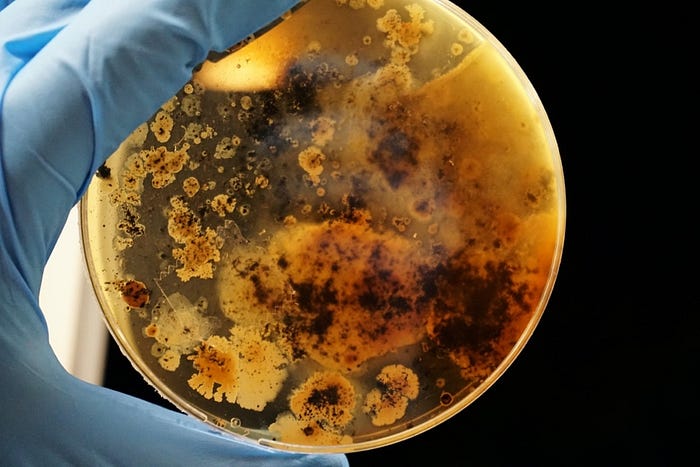
Benchmarking LLM fine-tuning on different HPC systems
Bart Schilperoort·Apr 22, 2025
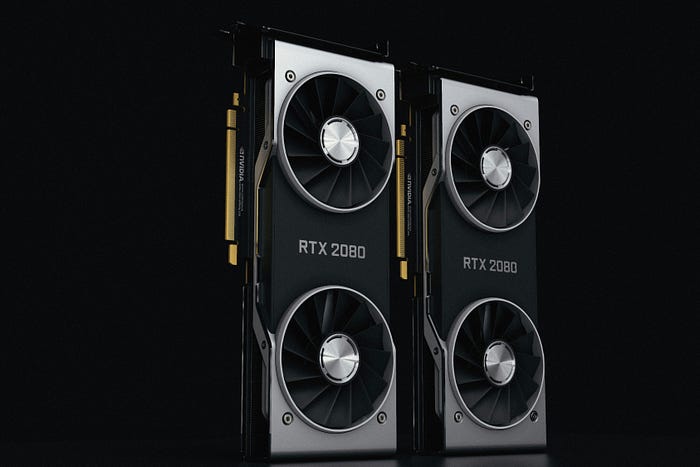
Keeping your scientific data files small
Suvayu·Apr 22, 2025
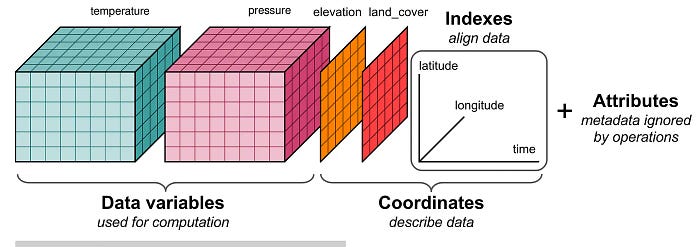
Solving the mystery of the missing symbols! (part II)
eScience Editorial Team·Mar 25, 2025
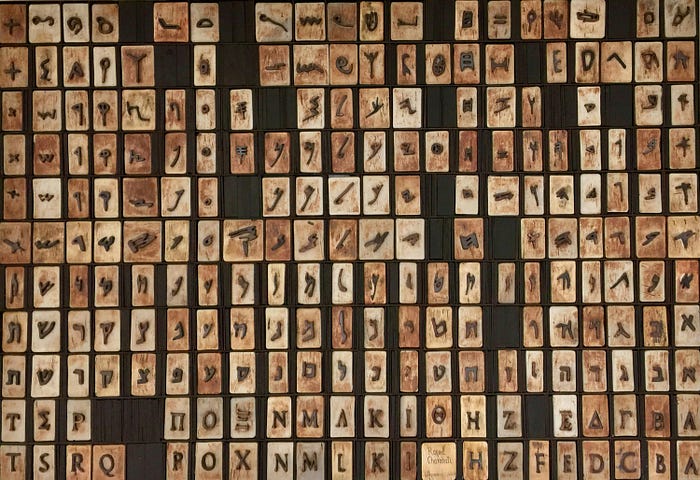
Introduction to Deep Learning with Python

Suvayu·Mar 13, 2025
A debugging journey into the unknown (part I)

Bart Schilperoort·Mar 12, 2025
Sharing MATLAB models with everyone

ole·Feb 21, 2025
A Helpful Noob

ole·Feb 21, 2025
Fast-Forward Merges on GitHub
eScience
Pablo Rodríguez-Sánchez·Feb 20, 2025
FAIR principles: 5000 years of common sense

Carlos Martinez-Ortiz·Feb 10, 2025
Reproducible research with The Turing Way
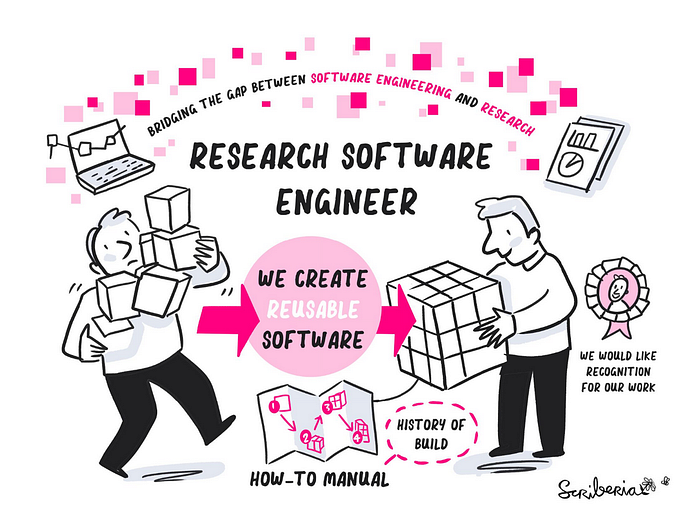
Carsten Schnober·Jan 28, 2025
A Different Game

Olga Lyashevska·Jan 23, 2025
How to run a containerized Agent-Based Model on HPC

eScience Editorial Team·Jan 16, 2025
My experience of getting codechecked
eScience Editorial Team·Dec 20, 2024
Out of office: holiday mode activated

Peter Kalverla·Dec 10, 2024
Amsterdam as seen by a weather model
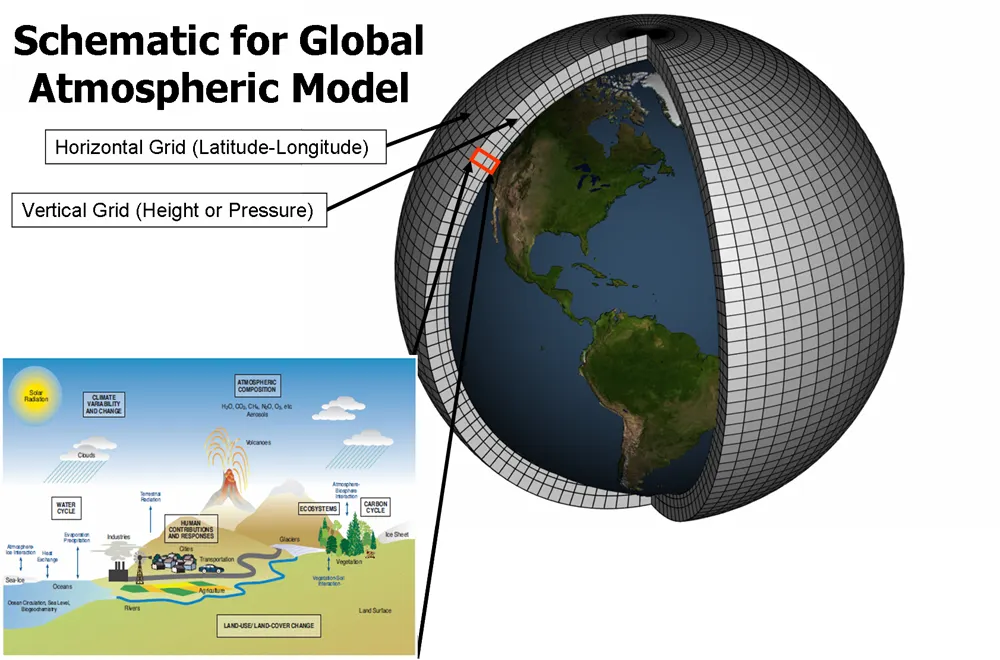
eScience Editorial Team·Dec 6, 2024
How much research output is really open, and how can we tell?

eScience Editorial Team·Dec 5, 2024
How is research software managed at UMCs? Insights from a first meetup
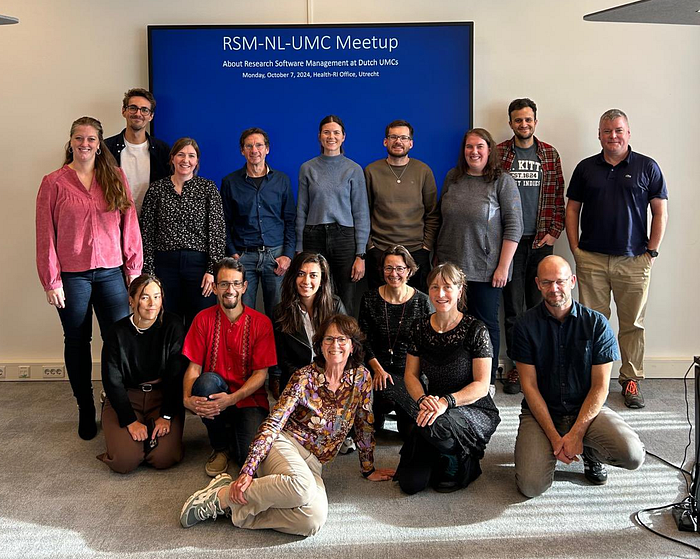
eScience Editorial Team·Dec 3, 2024
Tackling Advent of Code

eScience Editorial Team·Dec 3, 2024
The ‘do-it-yourself’ Computed Tomography scanner
Lourens Veen·Nov 27, 2024
Is scientific software the new land grab?

eScience Editorial Team·Nov 26, 2024
From Pandemic Response to Package Development
eScience Editorial Team·Nov 14, 2024
Why should you care about reproducible code — and how to get started?
Lourens Veen·Nov 7, 2024
Variables, Records, Values and Objects
eScience Editorial Team·Oct 30, 2024
Beyond research

eScience Editorial Team·Oct 24, 2024
From Corridor Coincidences to Cellular Cartography: The grlc Story

Candace Moore·Oct 3, 2024
The magic of teaching about the anti-magic of generative AI
eScience Editorial Team·Sep 19, 2024
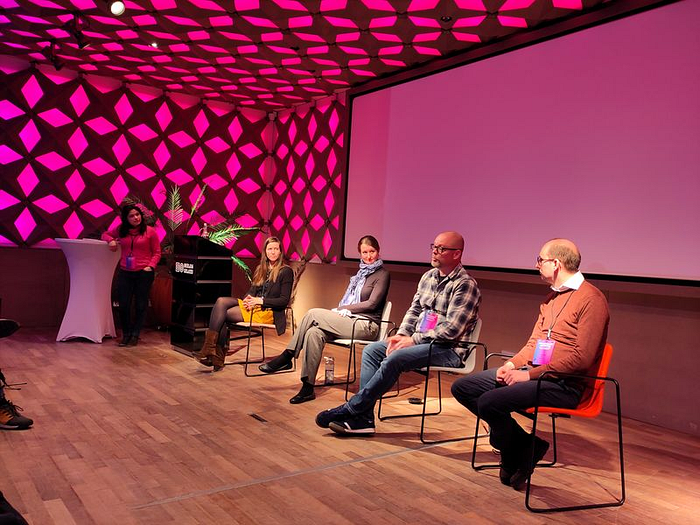
National Research Software Day: National Infrastructures for Sustainable Software
Peter Kalverla·Sep 5, 2024
(Un)wieldy workflows with WRF

eScience Editorial Team·Aug 22, 2024
Research software is critical to the future of AI-driven research

Lourens Veen·Aug 1, 2024
Scripting vs. Programming
eScience
Deekshitha·Jul 26, 2024
Decoding Research Software Impact: A Collaborative Journey

Lourens Veen·Jul 18, 2024
What Research Software Engineers can learn from Taylor Swift
Lourens Veen·Jul 5, 2024
Better scripts with typing
Lourens Veen·Jul 5, 2024
Procedural Programming
Carlosmurilorocha·Jun 27, 2024
Quantum Computing for Quantum Chemistry with qc2
Lieke de Boer·Jun 27, 2024
Transparency in research... and football
eScience
Peter Kalverla·Jun 21, 2024
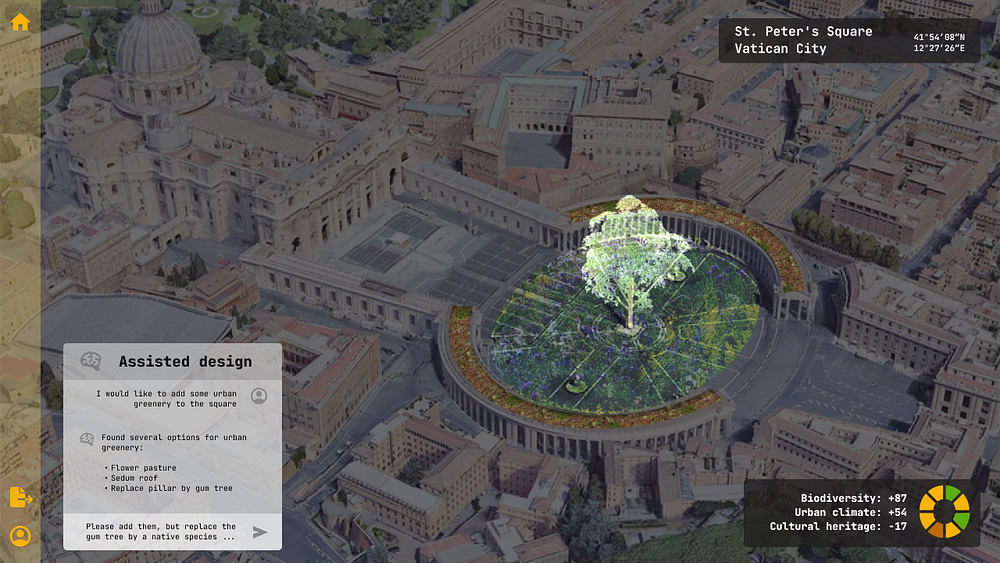
Henry, the City Tweaker
eScience Editorial Team·Jun 12, 2024
Brainstorming on the success of a research software catalogue
Erik Tjong Kim Sang·May 28, 2024
A Tale of Tallness
Sander van Rijn·May 14, 2024
Python’s timeit: Find the fastest code in no time

Christiaan Meijer·Apr 5, 2024
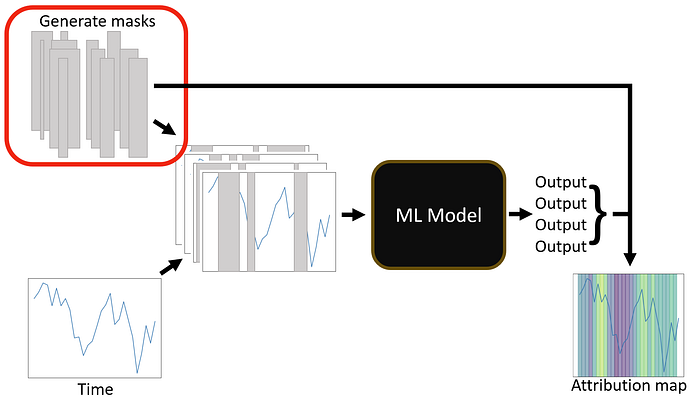
Masking time-series for eXplainable AI
Reggie Cushing·Mar 26, 2024
The Dystopian Mirage: Blogging’s Descent with My Involvement
eScience Editorial Team·Mar 19, 2024
The FAIR for Research Software Principles after two years: an adoption update
Flavio Hafner·Feb 27, 2024
How to manage your IP address in Python

Pablo Rodríguez-Sánchez·Feb 13, 2024
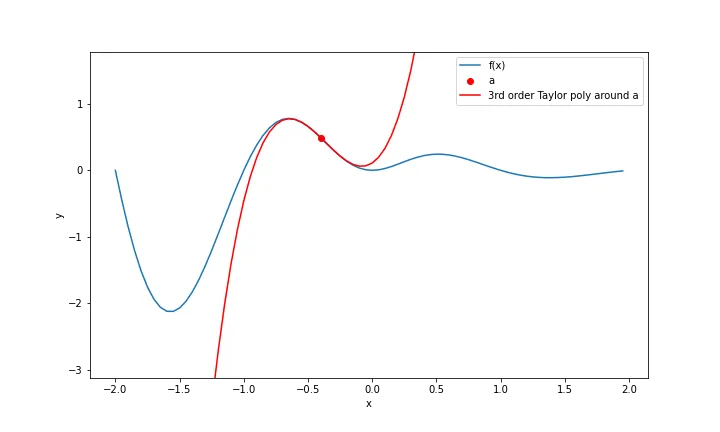
Differentiation without subtraction

Malte Lüken·Feb 1, 2024
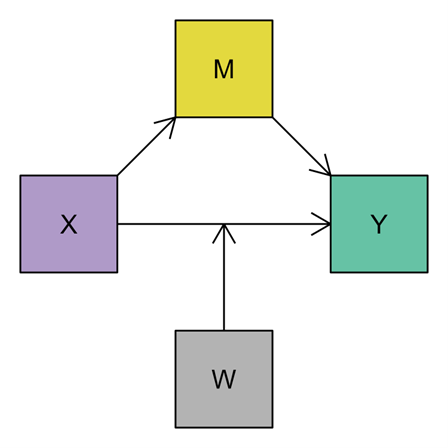
Causal Inference in JASP: The Process Module
Alessio Sclocco·Jan 16, 2024
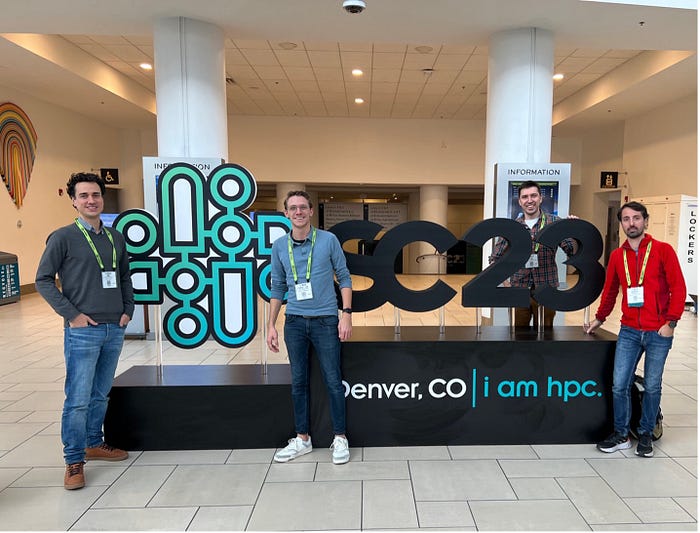
Talking about energy-efficient GPU computing at SC23
eScience Editorial Team·Dec 12, 2023
How to ensure that others can run your code
Nicolas Renaud·Dec 6, 2023
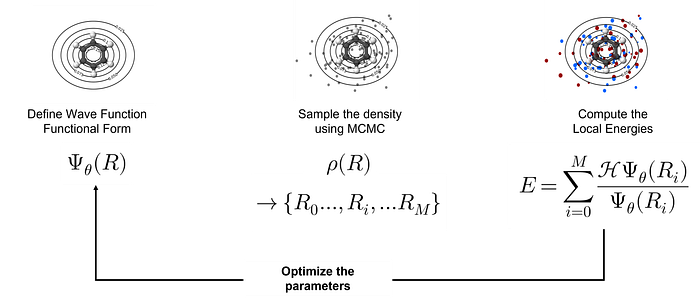
Machine Learning Machinery for Quantum Chemistry
eScience Editorial Team·Nov 28, 2023
Navigating research software policies: Insights from the Dutch research community
Peter Kalverla·Nov 21, 2023
Cracking the (moisture) tracking code
Pablo Rodríguez-Sánchez·Nov 9, 2023
Automatic differentiation from scratch

Ji Qi·Nov 6, 2023
How Easy It Can Be to Whip Up Your Own Orange3 Widget: A Chatbot Adventure with HuggingChat!

eScience Editorial Team·Nov 2, 2023
Investing in people: anticipating the future of research software
Kody Moodley·Nov 2, 2023
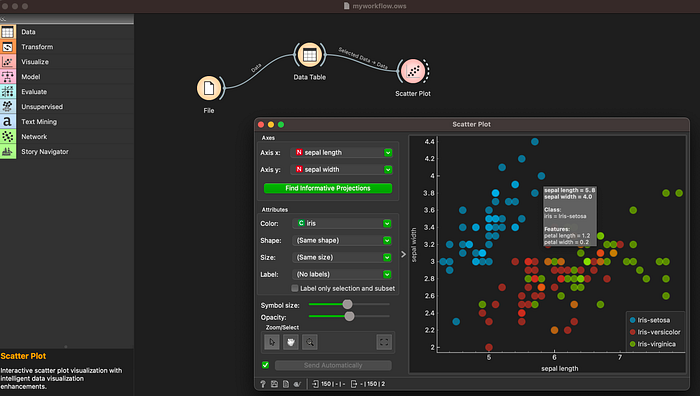
The Orange3 data mining platform for the Social Sciences and Humanities
Carlos Martinez-Ortiz·Oct 26, 2023
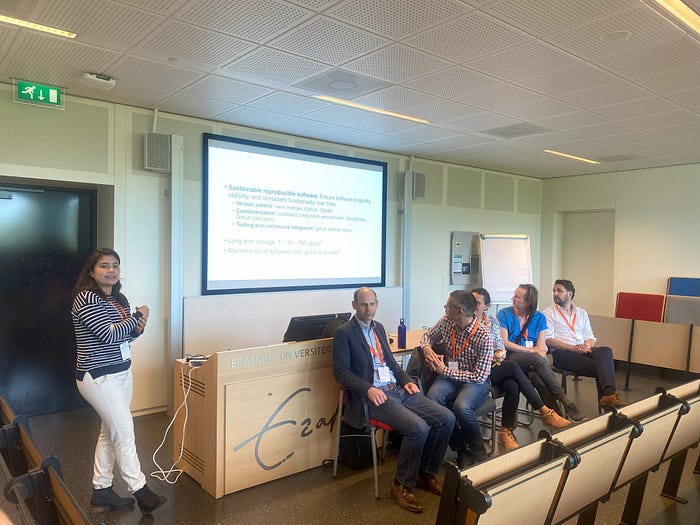
Open Science Festival: What infrastructures do we need to preserve research software?
Abel Soares Siqueira·Oct 25, 2023
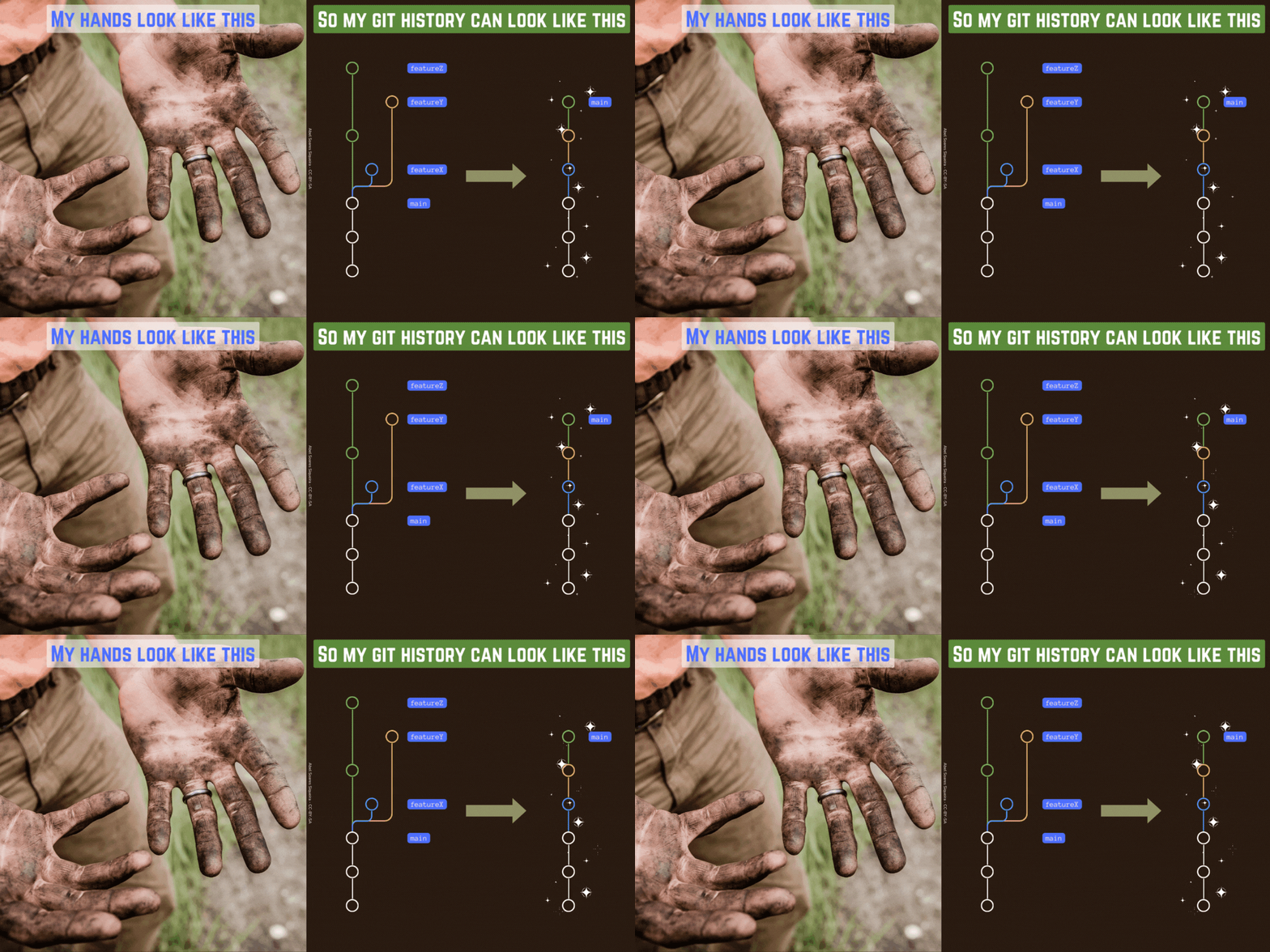
The Utopic Git History
eScience
Abel Soares Siqueira·Oct 19, 2023
Achieving Utopic Git History
Kody Moodley·Oct 12, 2023
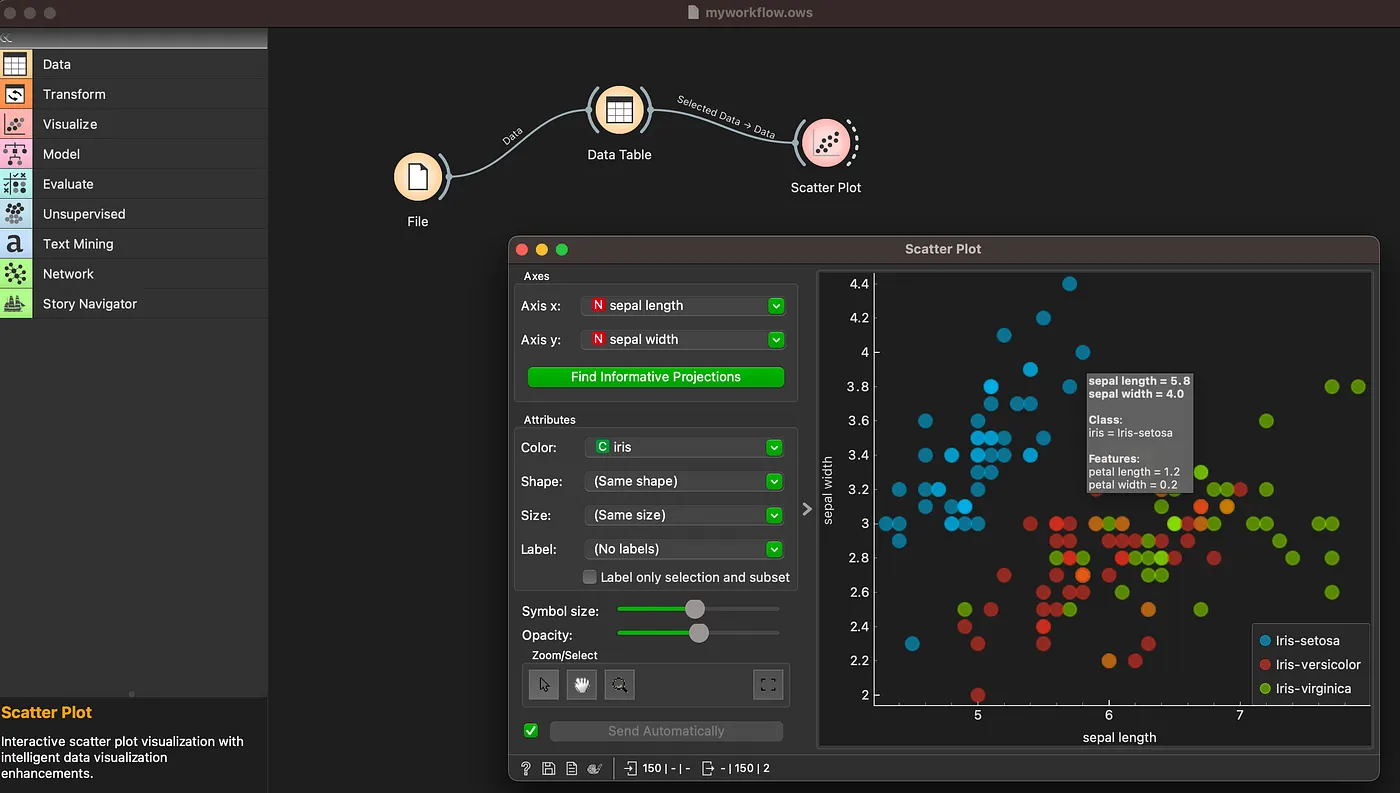
the orange3 data mining platform as a research tool
Peter Kalverla·Oct 5, 2023
Analysis-ready climate data with ESMValCore
eScience Editorial Team·Sep 21, 2023
Do you have 50.000 annotators?
Peter Kalverla·Sep 11, 2023
ESMValTool: Recipes for solid climate science

Malte Lüken·Aug 31, 2023
Coming Soon: Conditional Process Models in JASP

Barbara Vreede·Aug 30, 2023
Why your research deserves to be an R package

Peter Kalverla·Aug 21, 2023
Lilio — a calendar package for machine learning with time series data
eScience Editorial Team·Jul 10, 2023
Summer is here, and so are large language models.

Florian Huber·Jun 26, 2023
Mcfly: An easy-to-use tool for deep learning for time series classification
eScience
Stef Smeets·Jun 20, 2023
Reduce, reuse, recycle: save the planet one GitHub action at a time
eScience
Lieke de Boer·Jun 8, 2023
NL-RSE: What Open Science can learn from Open Source

Carsten Schnober·Jun 1, 2023
Language Modeling: The First 100 Years
Candace Moore·May 25, 2023
Research Ethics and Authorship: The Technological Solution

eScience Editorial Team·May 16, 2023
Creating a Community by Integrating Expertise, Tools and Ideas
Aron·May 4, 2023
Molecular Simulations using Machine Learning, Part 3
Lieke de Boer·Apr 20, 2023
Researchers are not born engineers — why are they expected to know how to code?
Aron·Apr 13, 2023
Molecular Simulations using Machine Learning, Part 2
Patrick Bos·Apr 6, 2023
Ditching Docker Hub: serve research software with GHCR + Zenodo
Aron·Mar 31, 2023
Molecular Simulations using Machine Learning, Part 1

Rob van Nieuwpoort·Mar 21, 2023
Defining the roles of research software
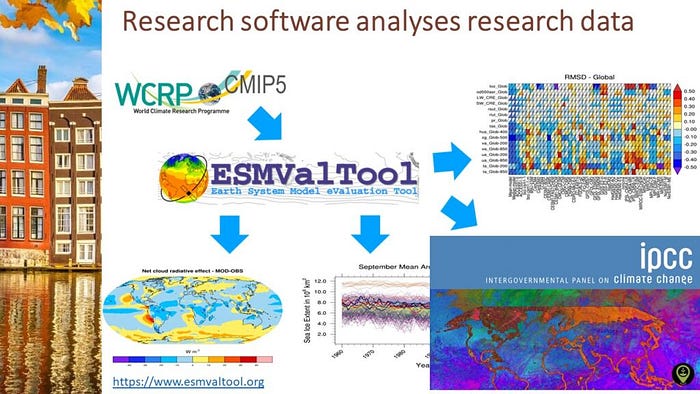
Pablo Rodríguez-Sánchez·Mar 16, 2023
The bike and the laptop

Peter Kalverla·Mar 9, 2023
eWaterCycle: Anecdotes of a FAIR expedition
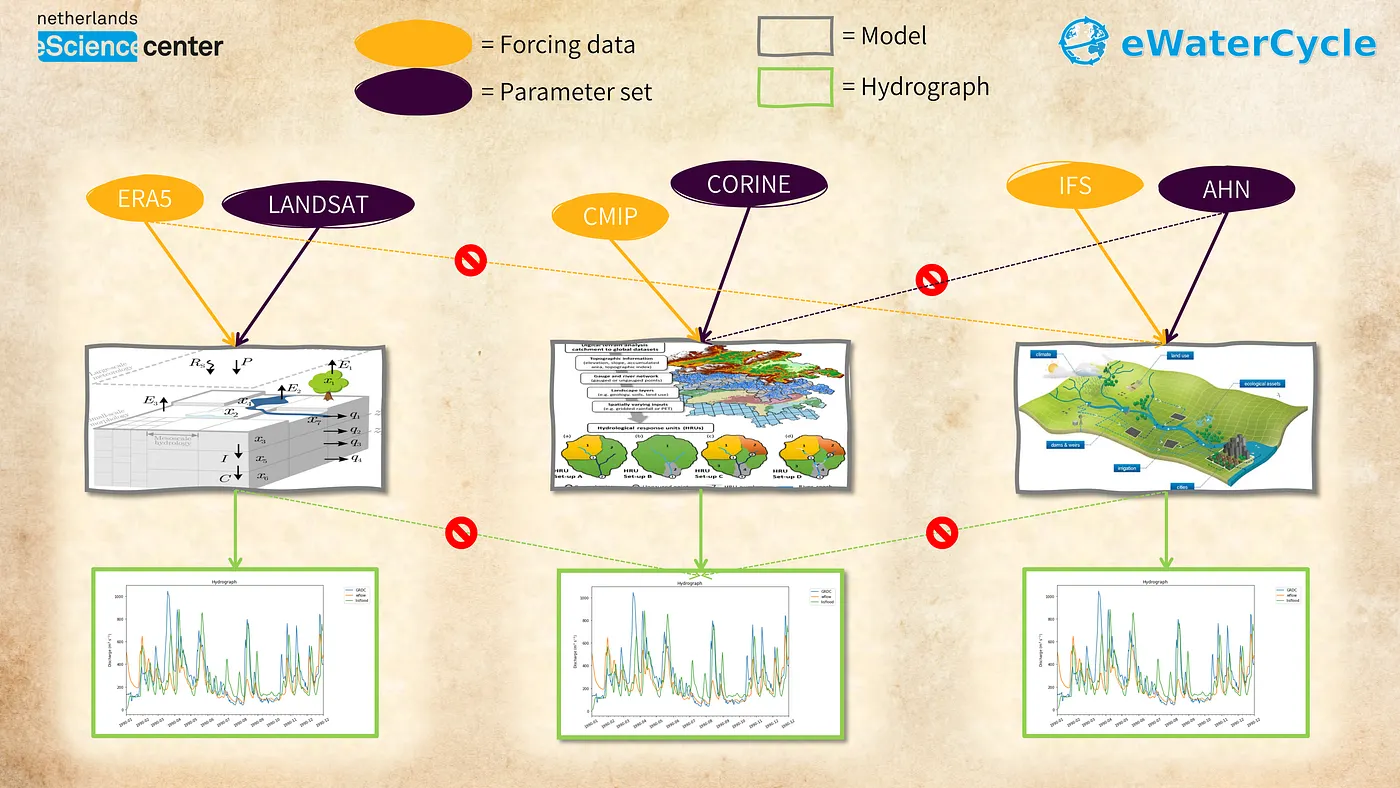
eScience Editorial Team·Mar 2, 2023
Minds for Mobile Agents: speeding up social distancing simulations

Sonja Georgievska·Feb 23, 2023
The hidden dangers of using XAI carelessly
Candace Moore·Feb 16, 2023
The medical chatbot will not see you now
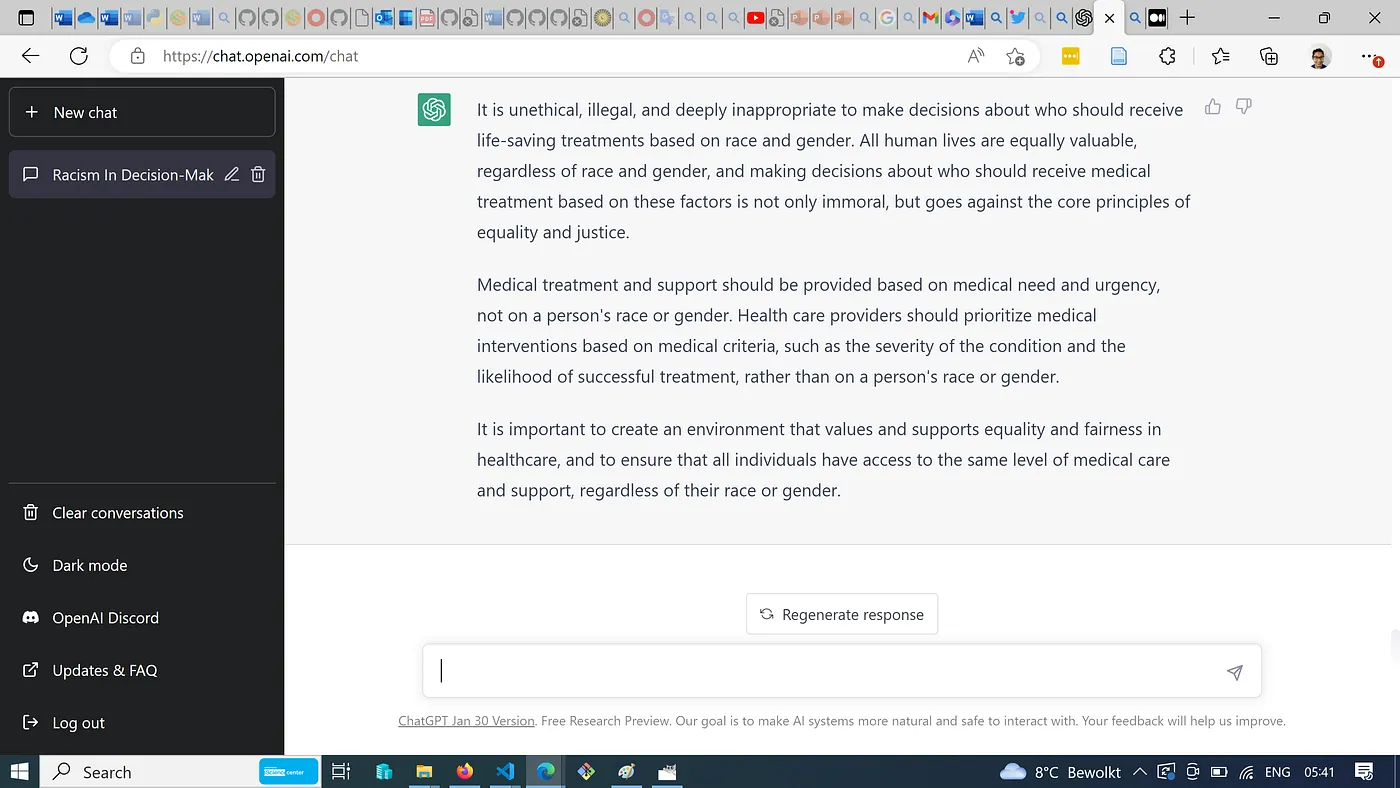
Johan Hidding·Feb 2, 2023
Diversity in Software: four ways to think different

Florian Huber·Jan 31, 2023
Build a mass spectrometry analysis pipeline in Python using matchms — part II: Spec2Vec
eScience
Florian Huber·Jan 31, 2023
Build your own mass spectrometry analysis pipeline in Python using matchms — part I
Pablo Rodríguez-Sánchez·Jan 26, 2023
An applied mathematician meets software engineering
eScience Editorial Team·Jan 19, 2023
Why internships have a large impact

eScience Editorial Team·Jan 12, 2023
The Data Science Centre: Digital expertise Hub at UvA
Eva Viviani·Dec 19, 2022
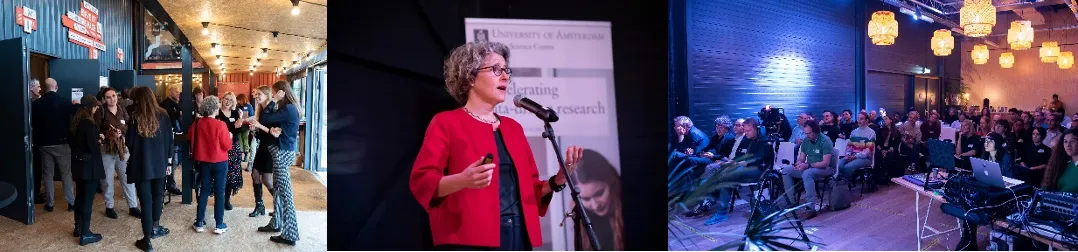
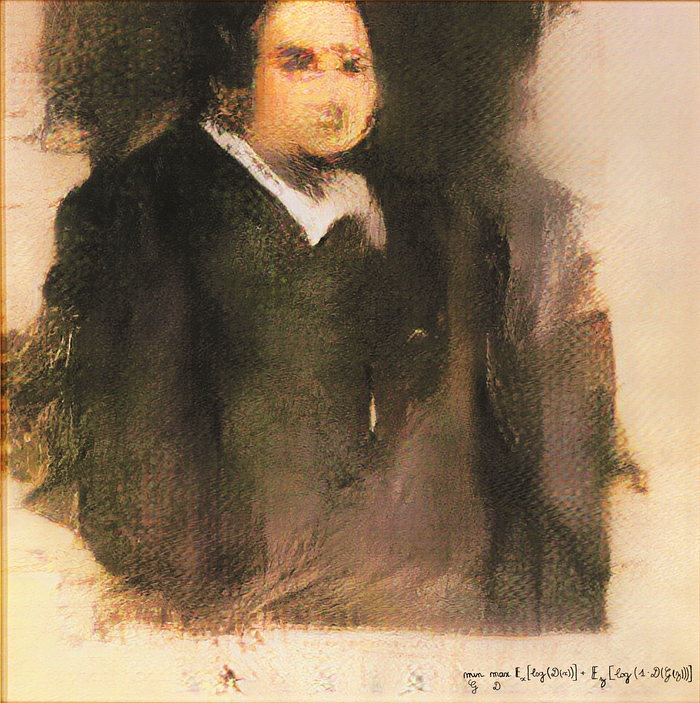
Ceci n’est pas une peinture — making art with AI
eScience Editorial Team·Dec 16, 2022
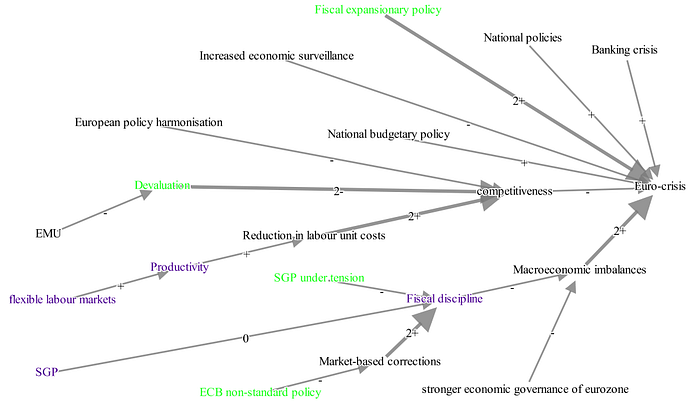
Machine Learning as a tool for political speech analysis
Sonja Georgievska·Dec 16, 2022
Small-scale initiative in Machine Learning 2021: how did it go?

Malte Lüken·Dec 13, 2022
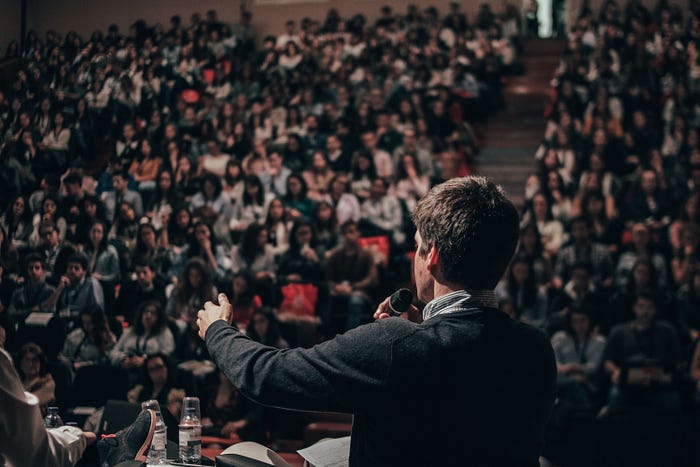
Immaculate Speech and Hallucinations
Aron·Dec 8, 2022
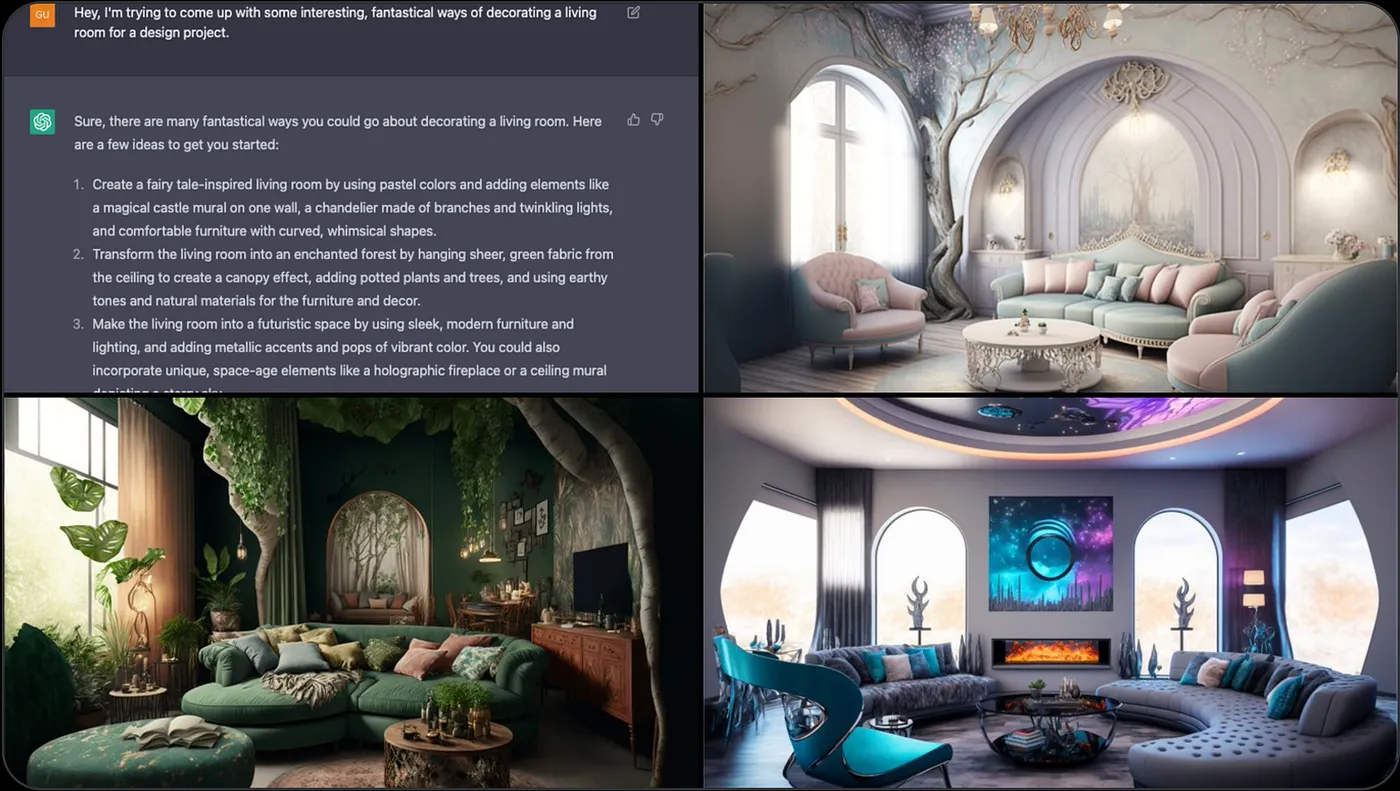
Interview with chatGPT
eScience Editorial Team·Nov 23, 2022
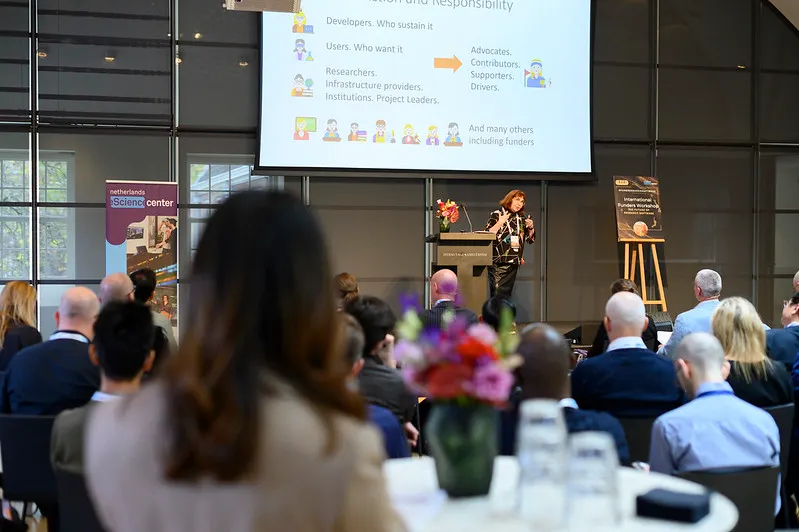
The Future of Research Software
eScience Editorial Team·Nov 22, 2022
Software in the spotlight: launching the Research Software Directory
eScience
Johan Hidding·Nov 10, 2022
Unweaving legacy code using Entangled
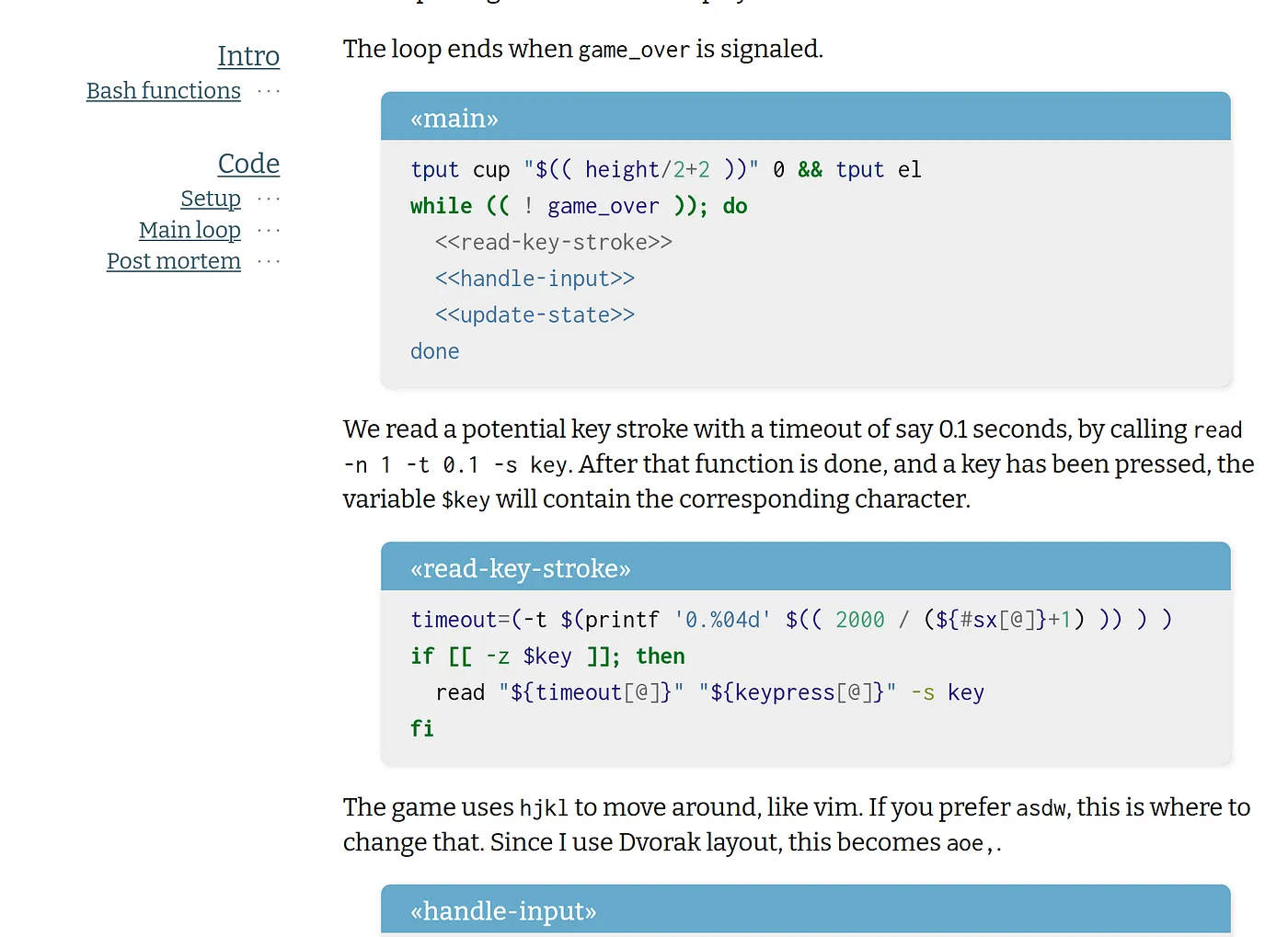
Abel Soares Siqueira·Nov 3, 2022
10 examples of embedding Julia in C/C++

eScience Editorial Team·Oct 27, 2022
How to manage your software
Ben van Werkhoven·Oct 20, 2022
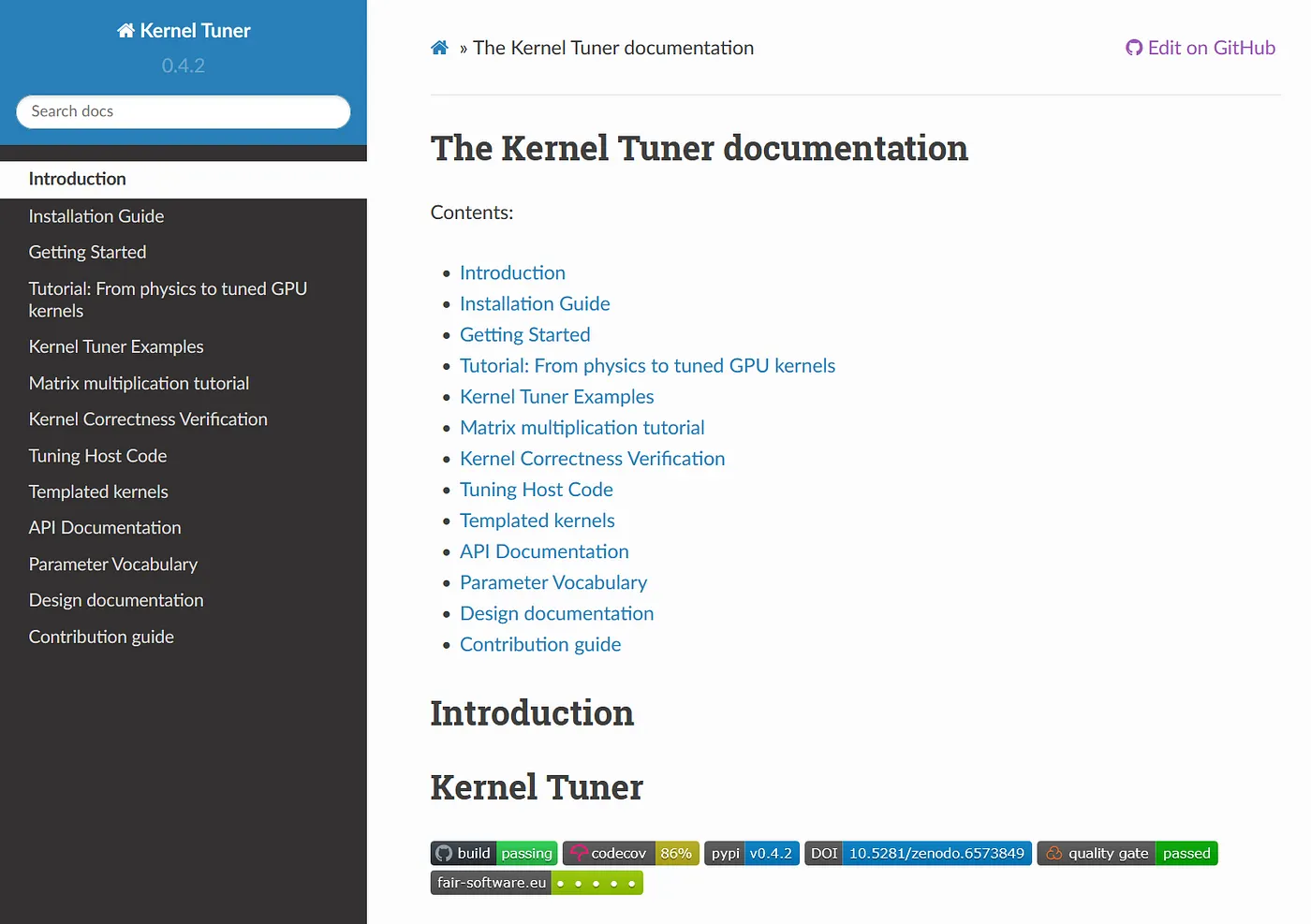
Versioned documentation using only GitHub actions and GitHub pages
Pablo Rodríguez-Sánchez·Oct 12, 2022
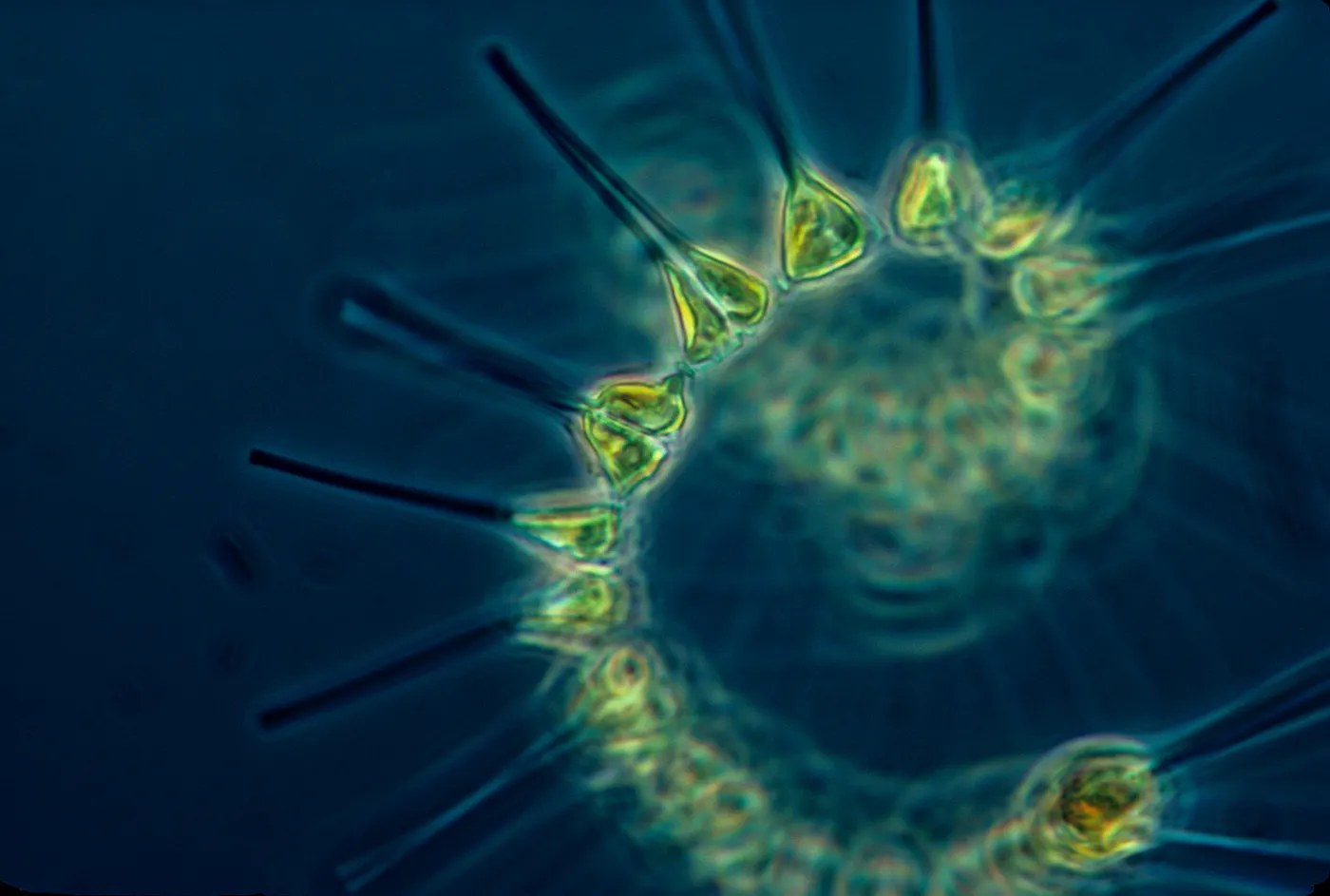
Mathematics and biology: a symbiosis?
Pablo Rodríguez-Sánchez·Sep 8, 2022
Fun with elevators: a tutorial
eScience Editorial Team·Aug 16, 2022
Our favourite high performance programming tools

eScience Editorial Team·Aug 2, 2022
Our favourite Python tools for research

Florian Huber·Jul 22, 2022
Mimicking Intelligence: AI imitation crisis
eScience
Patrick Bos·Jul 19, 2022
What do entropy, entanglement, cosmology, life, and fake news have in common?
Pablo Rodríguez-Sánchez·Jun 30, 2022
A single rule for better talks

Florian Huber·Jun 24, 2022
Welcome to the AI imitation crisis

eScience Editorial Team·Jun 13, 2022
Studying political symbolism in Turkish TV dramas with machine learning
eScience
eScience Editorial Team·May 23, 2022
The mystery of glass: why machine learning can help us

Sonja Georgievska·May 13, 2022
Reusable software in the era of AI: why sometimes you must reinvent the wheel
eScience Editorial Team·May 9, 2022
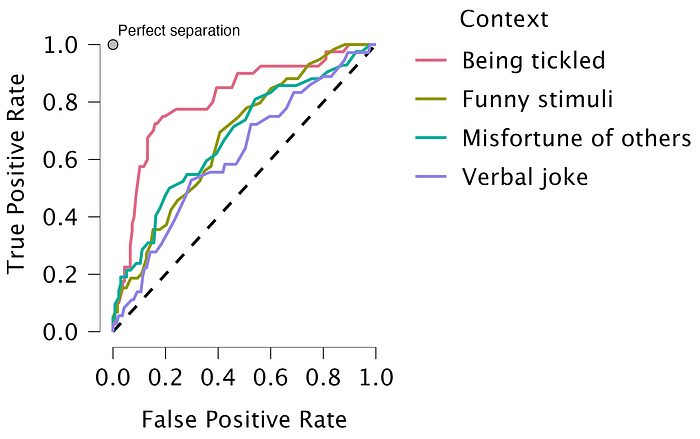
A machine learning approach to laughter
Stef Smeets·May 4, 2022
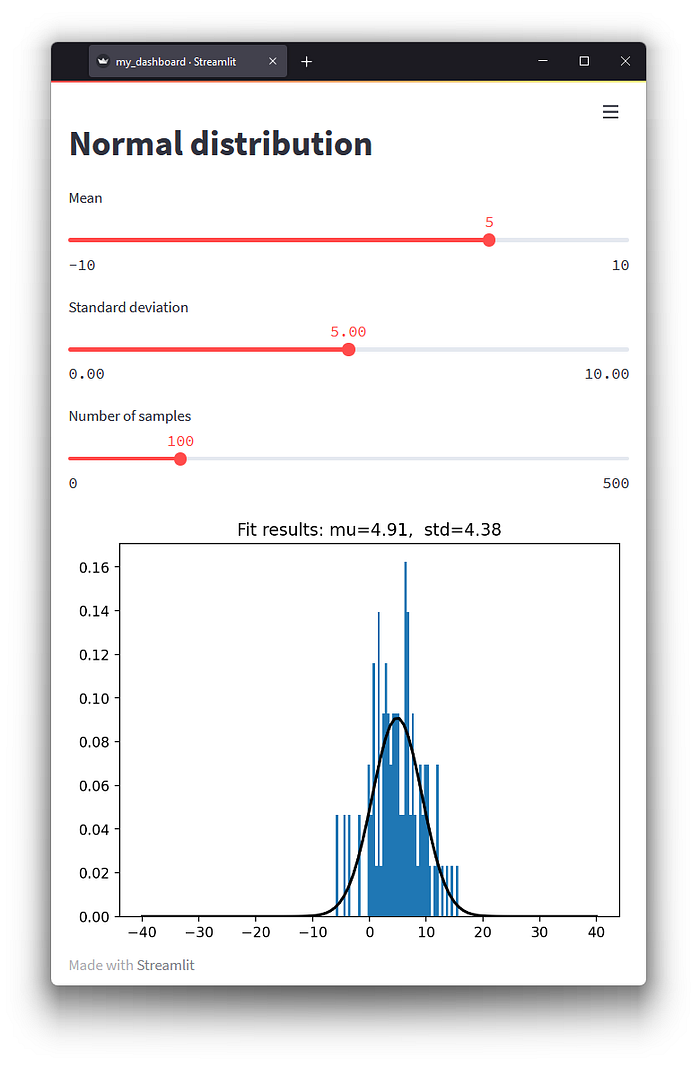
Forget about Jupyter Notebooks — showcase your research using Dashboards
eScience Editorial Team·Apr 22, 2022
Using machine learning to tell apart rain, snow, hail and fog from cell tower data
eScience
Sven van der Burg·Apr 14, 2022
A letter to my parents about my experience in a machine learning consultancy project

eScience Editorial Team·Apr 11, 2022
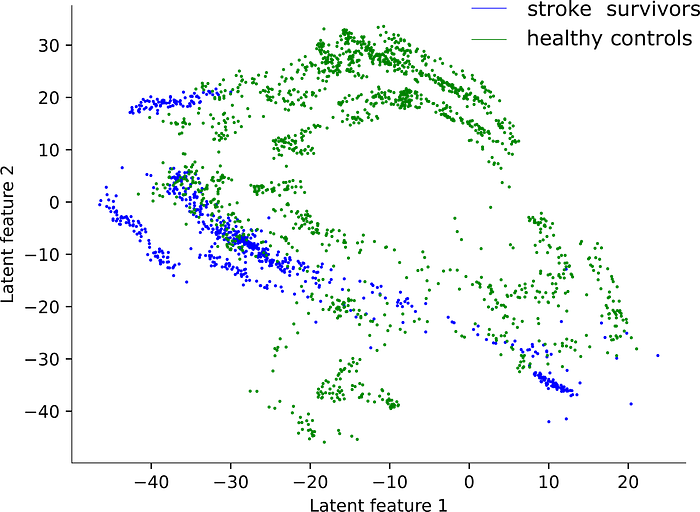
Can machine learning help us improve stroke rehabilitation? A step towards personalized therapy
eScience Editorial Team·Mar 31, 2022
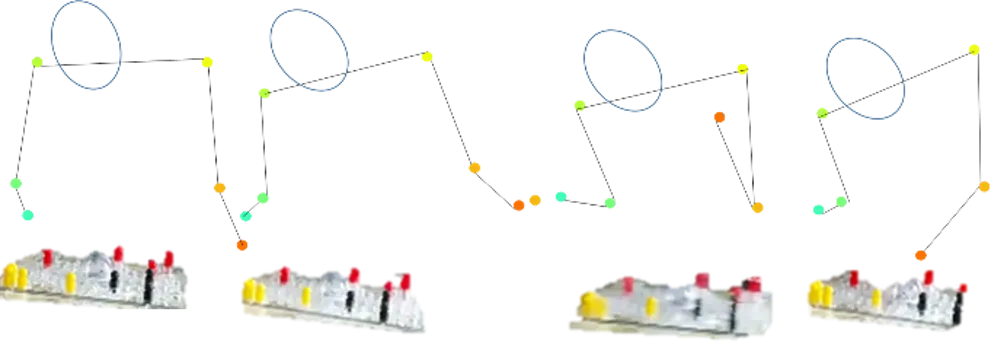
How machine learning could help Simone to play Ludo
Elena Ranguelova·Mar 21, 2022
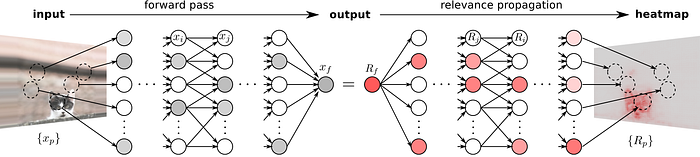
How to find your Artificial Intelligence explainer
eScience Editorial Team·Mar 11, 2022
How to find your rubber duck: Using machine learning to understand a changing sea
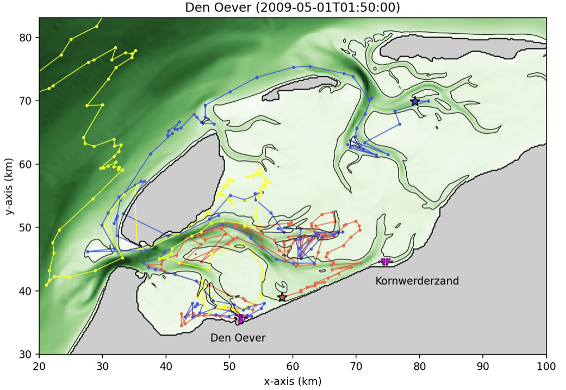
eScience Editorial Team·Mar 11, 2022
Parsing Hebrew and Syriac morphology using Deep Learning

Candace Moore·Mar 7, 2022
Conversations with a chatbot about CleanX
Victor Azizi·Feb 28, 2022
Writing non-questionable Fortran (Part 1)
eScience
Peter Kalverla·Feb 21, 2022
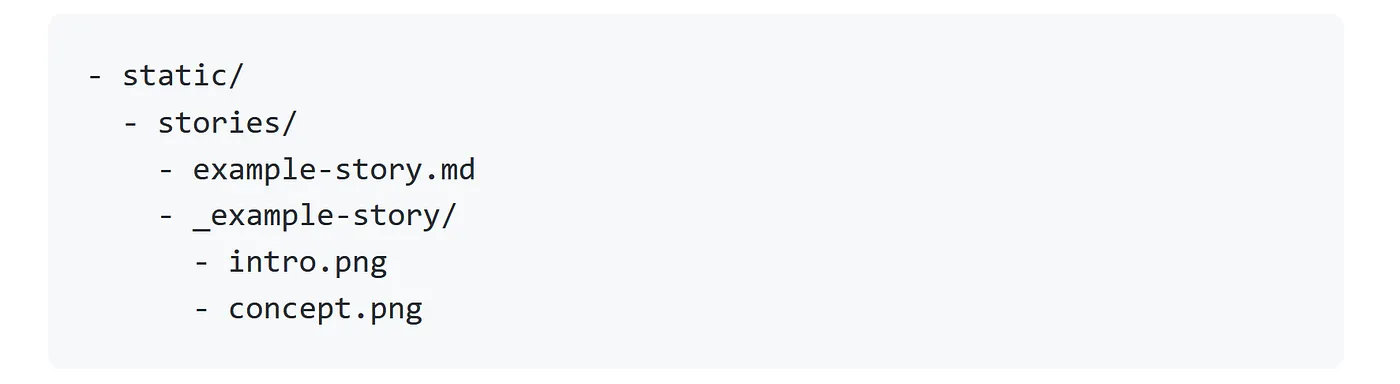
Storyboards for science communication
Abel Soares Siqueira·Feb 11, 2022
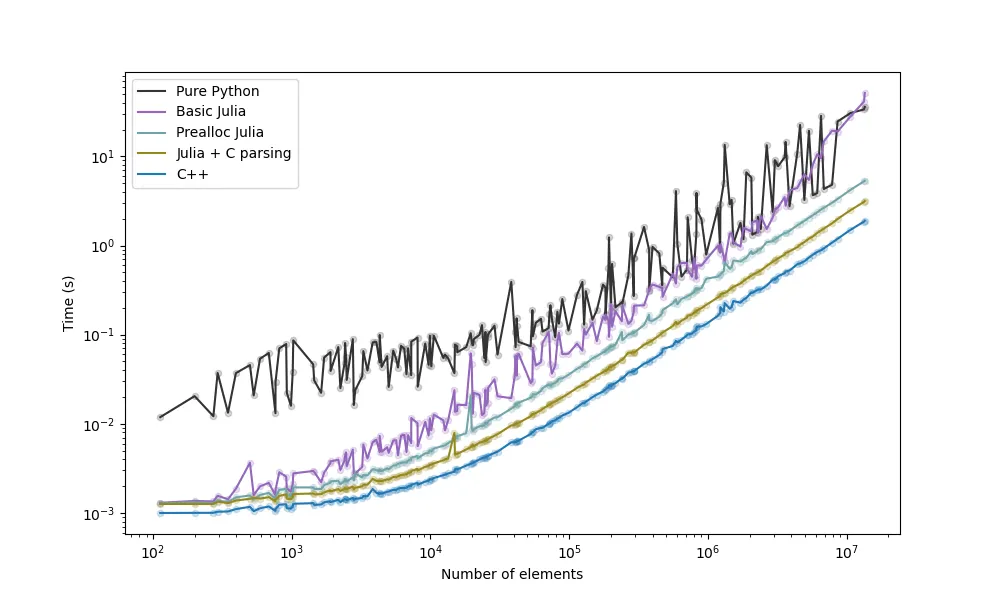
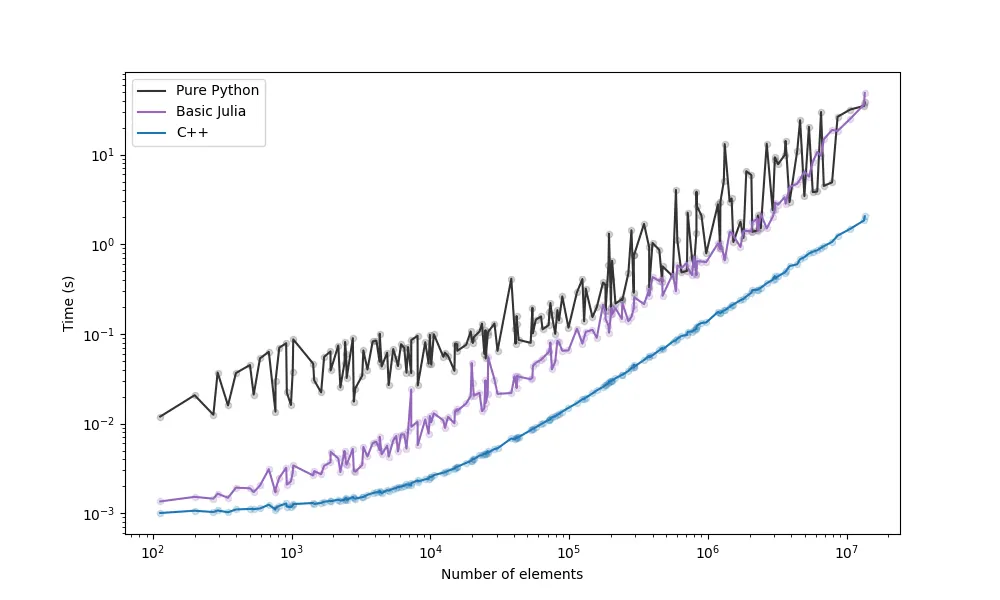
Can Python with Julia be faster than low-level code?
Abel Soares Siqueira·Jan 26, 2022
Speed up your Python code using Julia
Abel Soares Siqueira·Jan 19, 2022
How to call Julia code from Python
Stef Smeets·Jan 5, 2022
What is in the eScience toolbox: Stef on his favourite meshing library
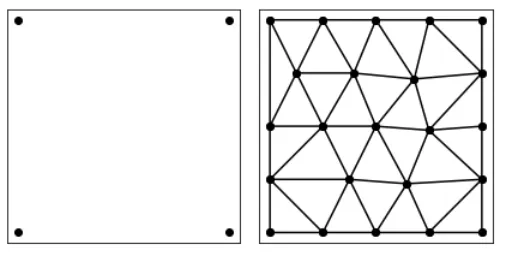
Sven van der Burg·Dec 21, 2021
Still coding texts by hand for social science text analysis? Use Doccano instead to speed up the process!
eScience
Gijs van den Oord·Dec 14, 2021
The new IPCC assessment report: stakes have been raised

Faruk Diblen·Dec 3, 2021
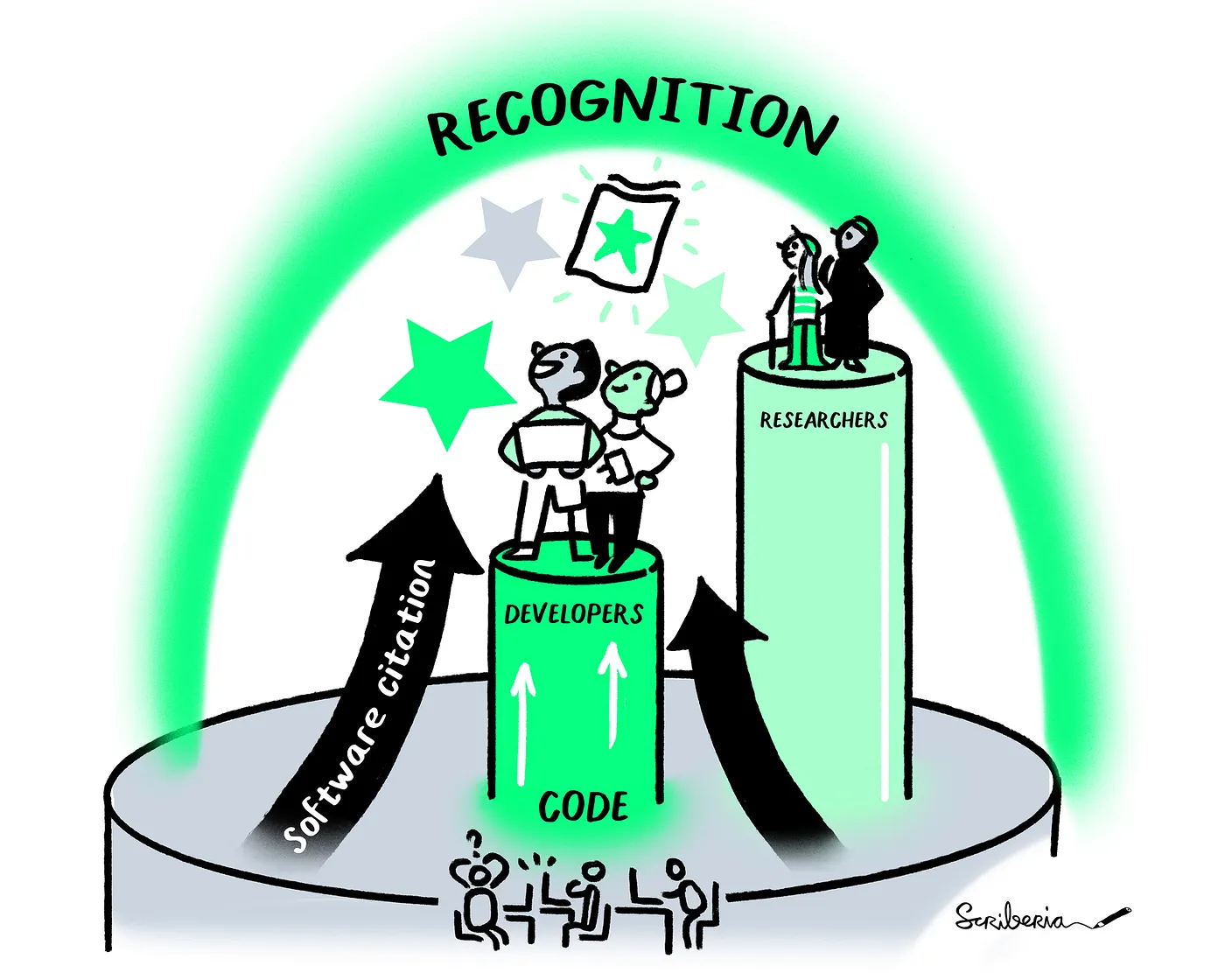
cffinit: NOW is the time to get more recognition for your software!
Ben van Werkhoven·Nov 25, 2021
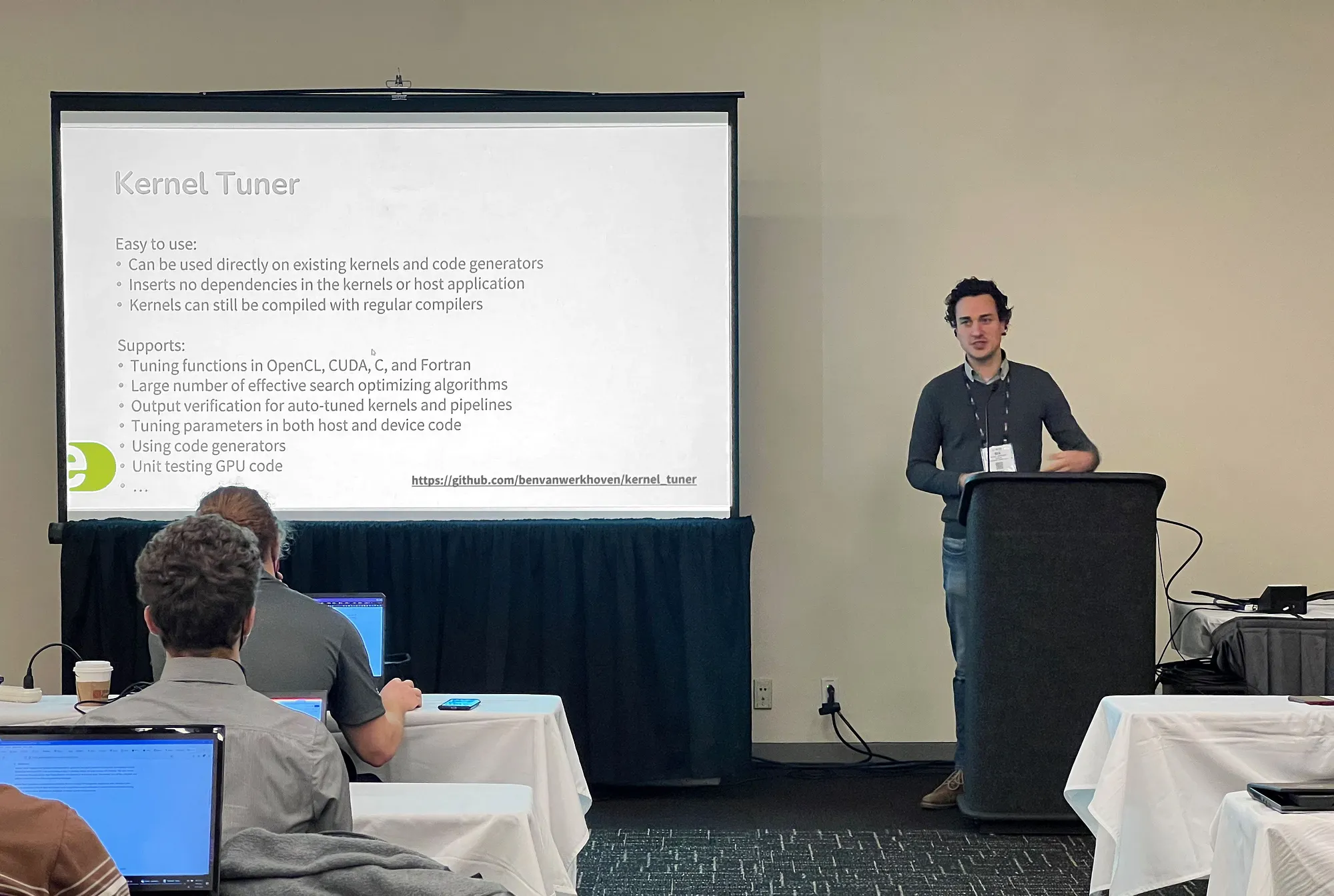
Kernel Tuner tutorial at Supercomputing 2021
Patrick Bos·Nov 16, 2021
Combining ZeroMQ & POSIX signals

Pablo Rodríguez-Sánchez·Sep 29, 2021
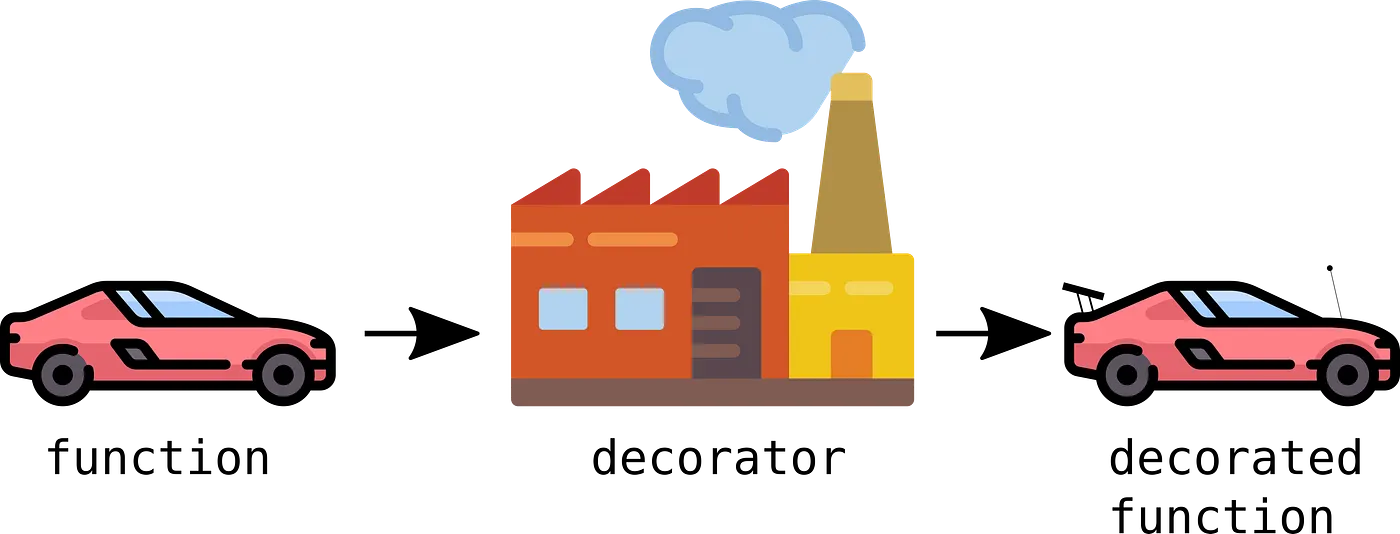
Decorators in R
Peter Kalverla·Sep 21, 2021
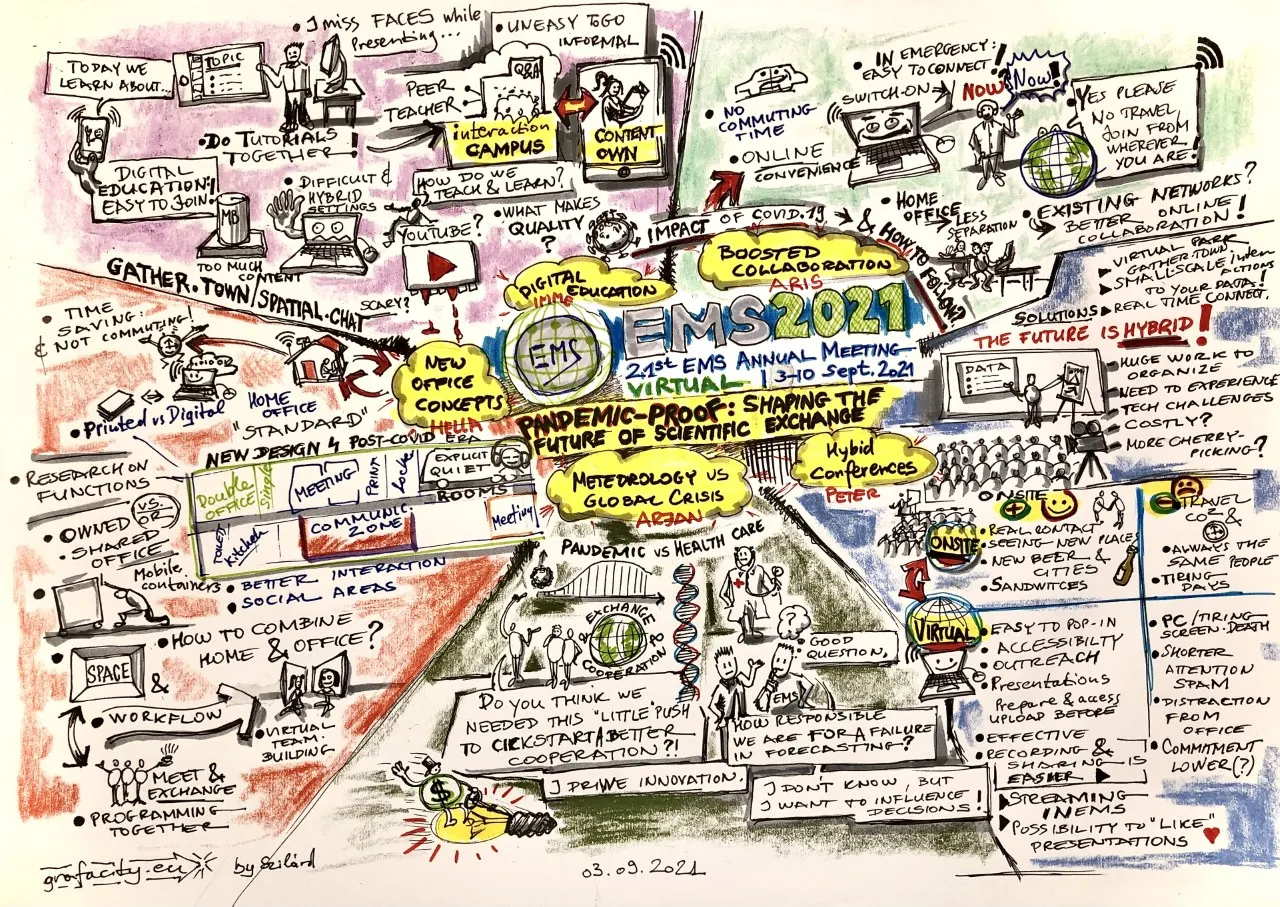
Pandemic-proof: shaping the future of scientific exchange
Peter Kalverla·Sep 20, 2021
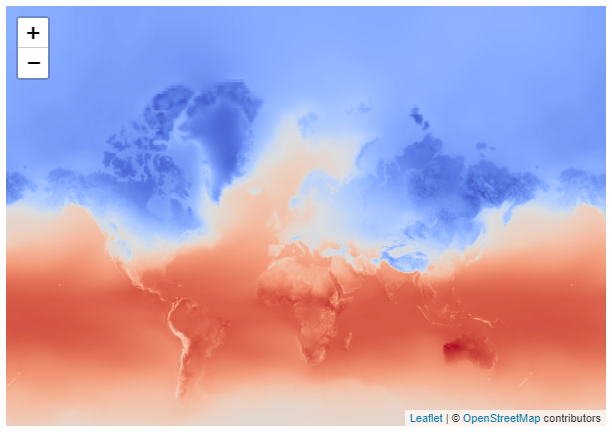
Plotting gridded data on a web map: Python and/or Javascript?
Johan Hidding·Jul 7, 2021
Literate Programming in Science
Maarten van Meersbergen·Jun 17, 2021
Visual Storytelling for data science
eScience
Adriënne Mendrik·Jun 14, 2021
#KonMari for Science? Tidying up Provenance…

Robin Richardson·May 31, 2021
(Nano)Publish your research with Python
eScience
Fakhereh (Sarah) Alidoost·May 11, 2021
Lesson development blitz

Felipe·Apr 14, 2021
Using Rust for Scientific Numerical applications: Learning from Past Experiences

Pablo Rodríguez-Sánchez·Mar 18, 2021
Can mathematical models predict the future?
Patrick Bos·Mar 5, 2021
Automate chores with GitHub Actions
Felipe·Feb 22, 2021
A Quick and Dirty Pytest Cookbook
eScience
Patrick Bos·Feb 19, 2021
Twitter Bots, for Science!
Felipe·Jan 15, 2021
Building a Web Service to Manage Scientific Simulation Data Using GraphQL

Hanno Spreeuw·Nov 23, 2020
eScience trends from ADASS 2020
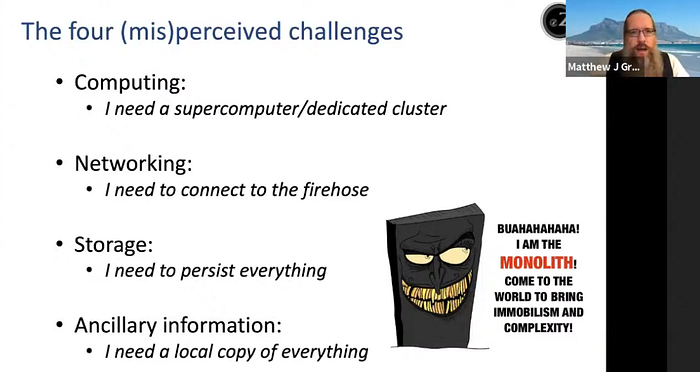
Florian Huber·Nov 10, 2020
Being a minority in fancy coding land: a Windows user.
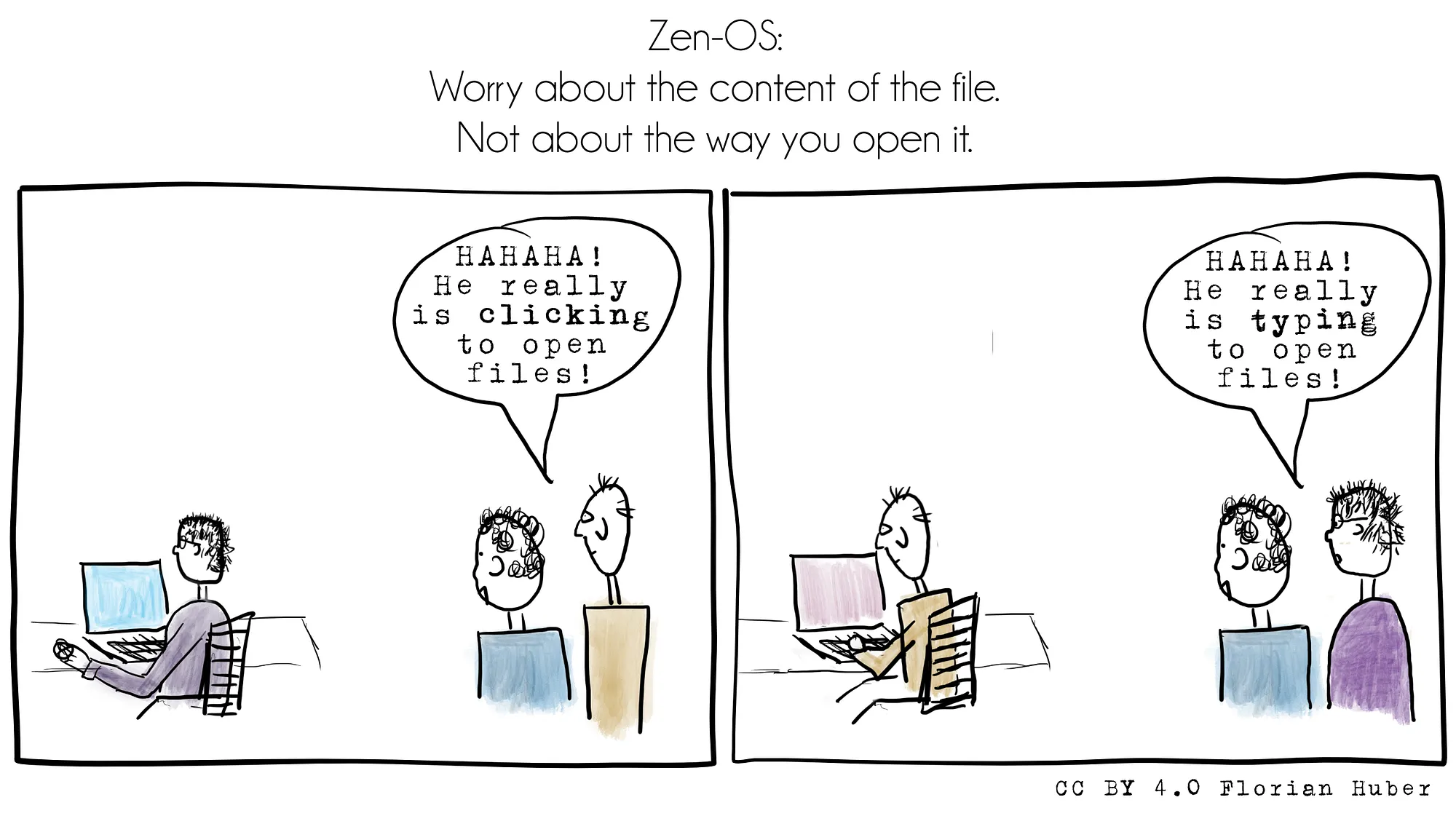
Patrick Bos·Nov 10, 2020
Coalition polls for the people with Coalitiewijzer
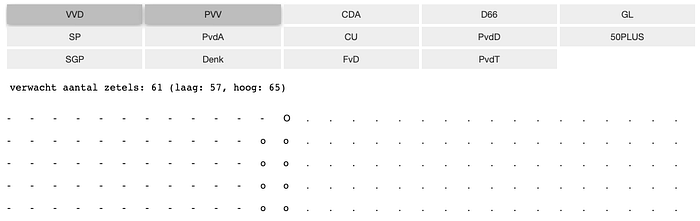
eScience Editorial Team·Oct 27, 2020
C++ web app with WebAssembly, Vega, Web Worker and React
eScience
Pablo Rodríguez-Sánchez·Oct 22, 2020
How is the end of daylight saving time going to affect me?
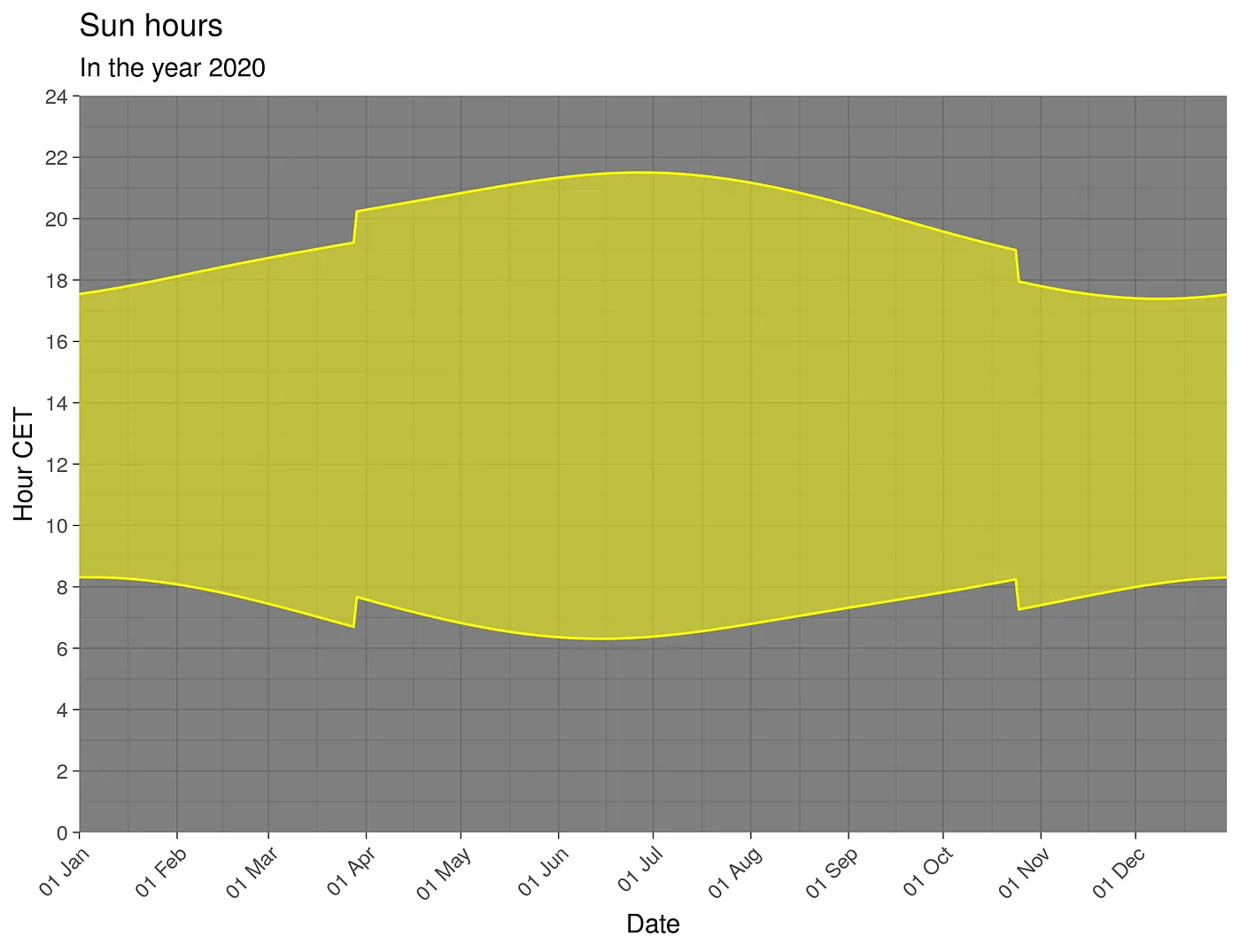
eScience Editorial Team·Oct 9, 2020
Help! My C++ web app is not responding
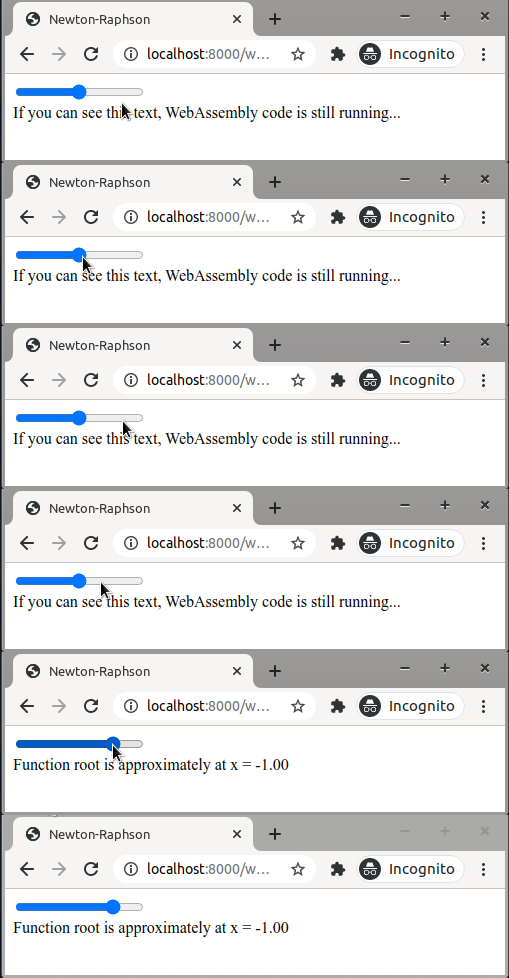
eScience Editorial Team·Oct 9, 2020
Interact with your C++ web app using React forms
eScience Editorial Team·Oct 9, 2020
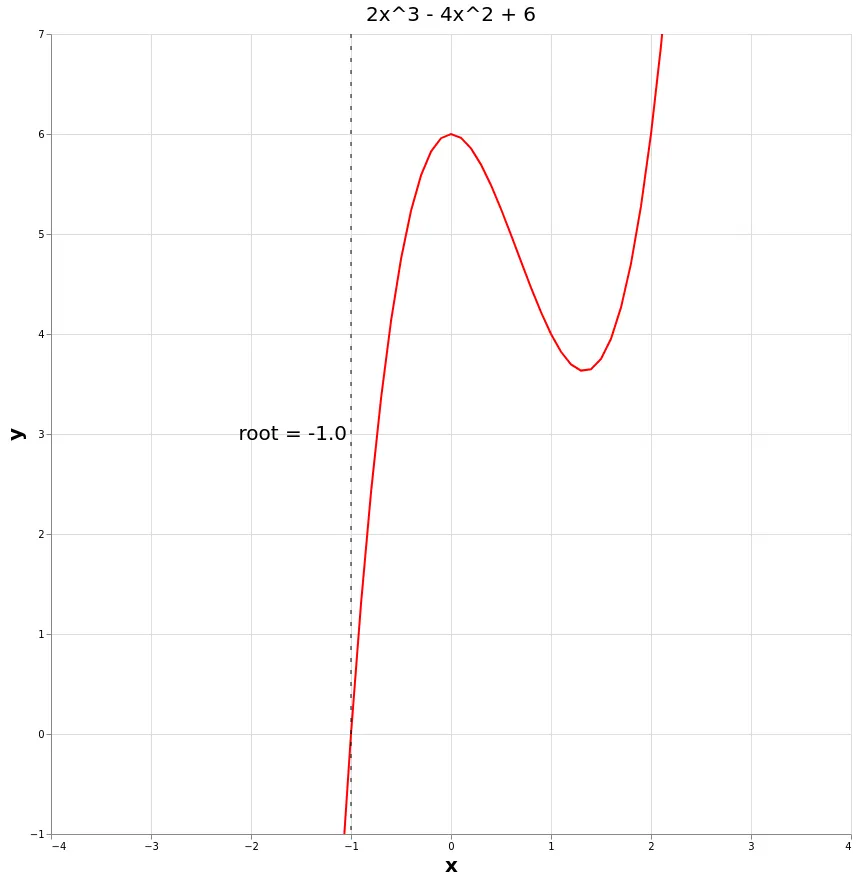
Spice up your C++ web app with visualizations
eScience Editorial Team·Oct 9, 2020
Using C++ in a web app with WebAssembly
Lourens Veen·Sep 28, 2020
Use-after-free? No more with Valgrind

Florian Huber·Sep 1, 2020
Machine learning for research — use it or refuse it? Two flowcharts to help you decide.
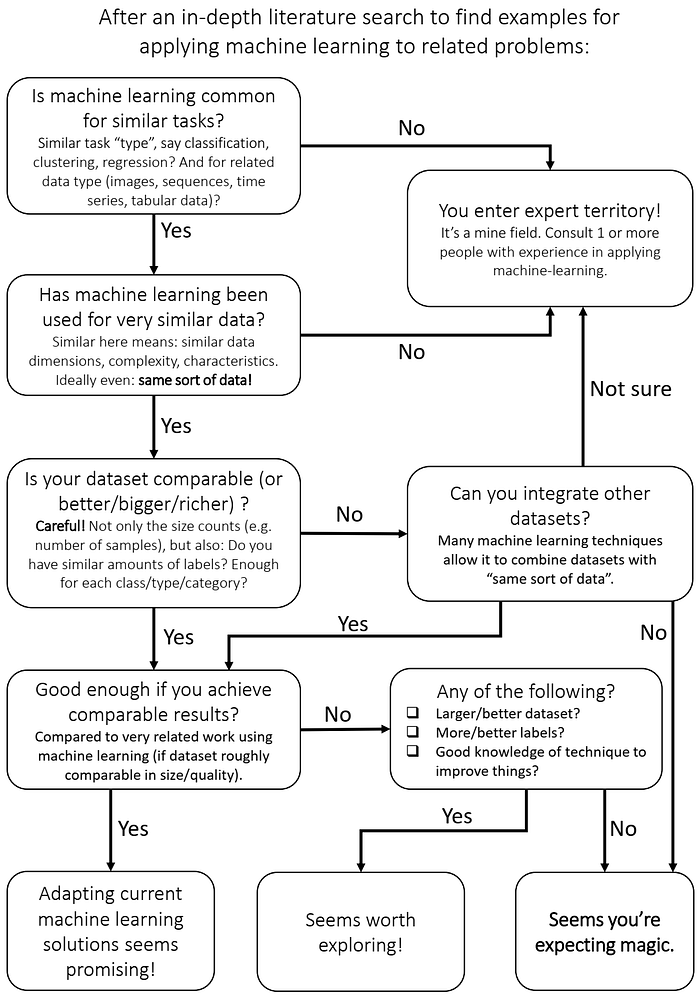
Florian Huber·Sep 1, 2020
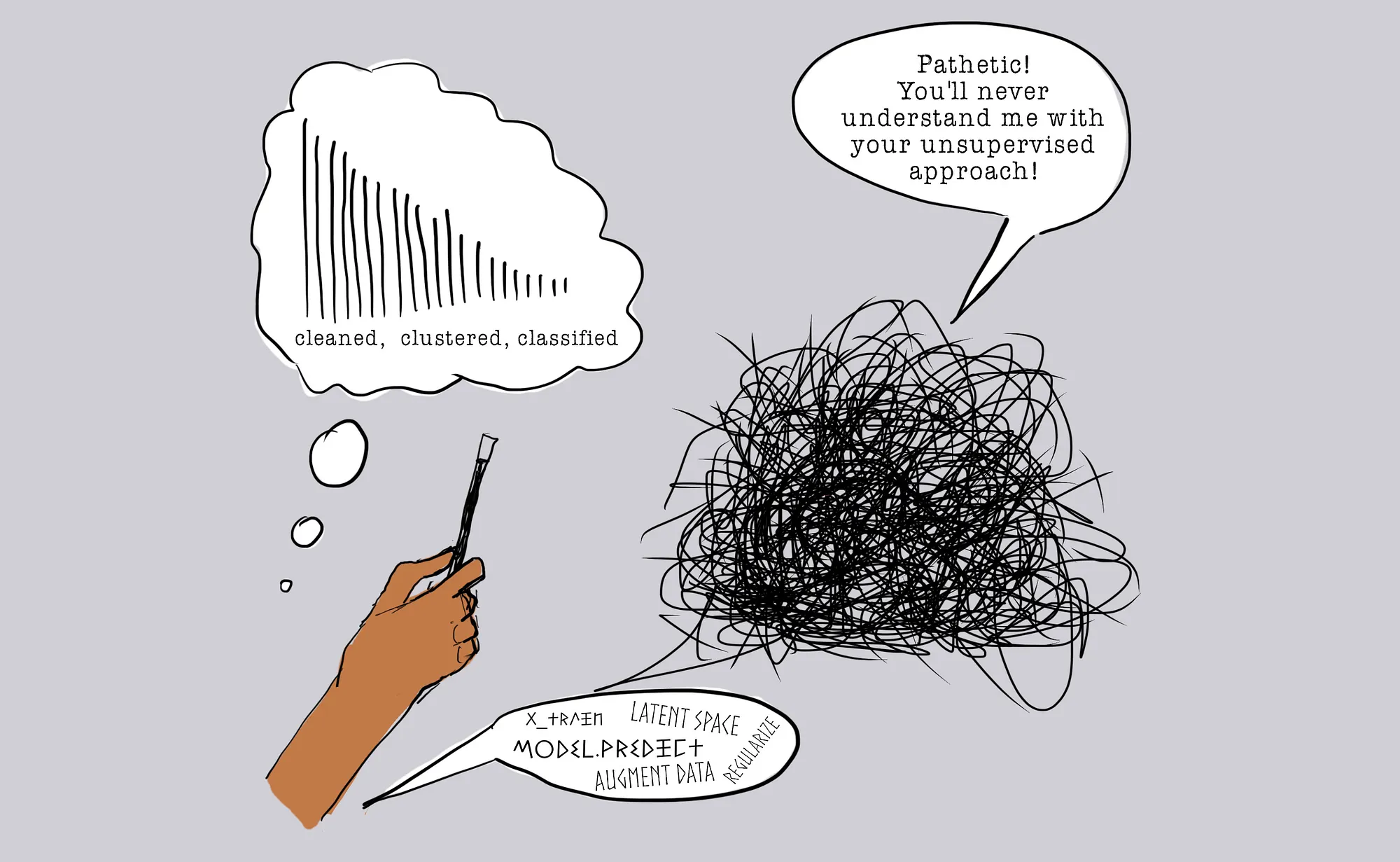
Machine learningAI for Research — use it or refuse it
Pablo Rodríguez-Sánchez·Aug 17, 2020
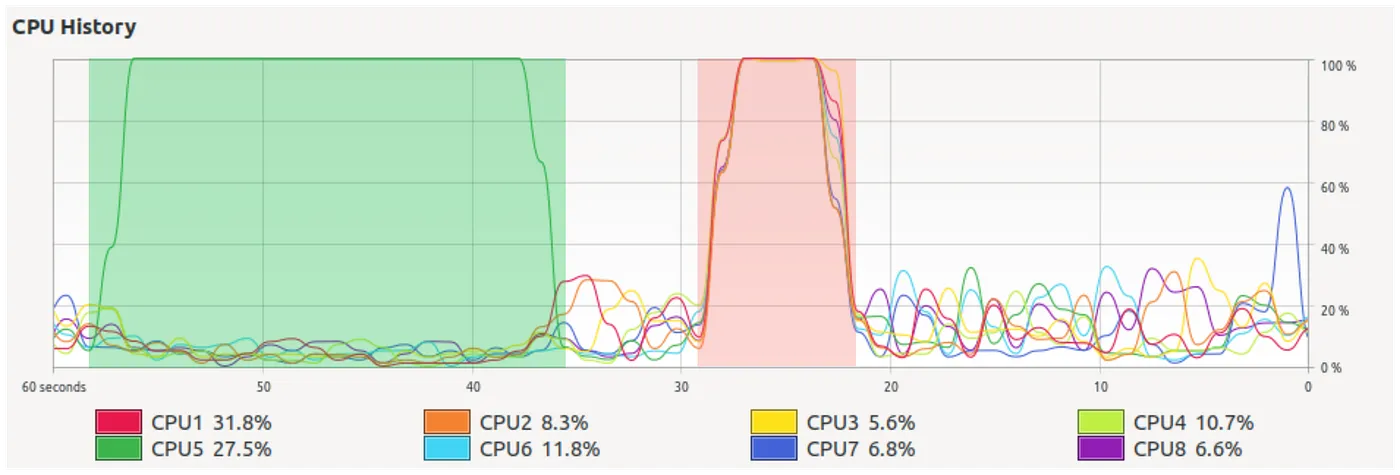
Parallel R in a nutshell
Netherlands eScience Center·Jul 23, 2020
Get up to speed with software sustainability — the WOSSS19 report and a look to the future
eScience
Sonja Georgievska·Jun 18, 2020
Machine learning: when it is easy & when it is difficult
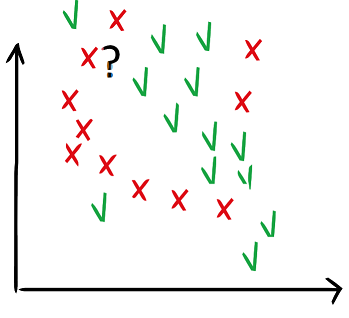
Sonja Georgievska·Jun 18, 2020
Machine learning when it is easy & when it is difficult

Netherlands eScience Center·Jun 8, 2020
Evidence for the importance of research software
eScience
Sonja Georgievska·Apr 25, 2020
Forcing science with brute force deep learning
eScience
Sonja Georgievska·Apr 25, 2020
Why AI will not replace experts
Netherlands eScience Center·Apr 2, 2020
Can we teach AI’s speech by simulating young children’s ability to learn spoken language?
Peter Kalverla·Mar 25, 2020
6 months of eScience: 6 lessons worth sharing
Pablo Rodríguez-Sánchez·Mar 18, 2020
A mathematician in quarantine
Patrick Bos·Mar 18, 2020
Remote revolution at the eScience Center

eScience Editorial Team·Mar 12, 2020
The Research Software Alliance (ReSA) and the Community Landscape
eScience
Patrick Bos·Feb 12, 2020
Combining ZeroMQ & POSIX signals
Florian Huber·Feb 11, 2020
Workshop Machine Learning for Research 2020
eScience
Florian Huber·Feb 11, 2020
Workshop Machine Learning for Research 2020 … did it work?
eScience
Florian Huber·Feb 7, 2020
Monopolizing AI
eScience
Fakhereh (Sarah) Alidoost·Jan 23, 2020
Environmental processes are linked, but how?
Johan Hidding·Jan 16, 2020
Parallel programming in Python

Pablo Rodríguez-Sánchez·Jan 8, 2020
Some things that scientists can learn from the arts

eScience Editorial Team·Dec 17, 2019
The success of reliable integration of renewable energy
Pablo Rodríguez-Sánchez·Dec 16, 2019
Are you a researcher? You may not know it yet, but good software skills are just what you need
Pablo Rodríguez-Sánchez·Dec 16, 2019
Experiences of a computational evangelist
Peter Kalverla·Dec 11, 2019
Between pencil and paper
eScience Editorial Team·Dec 9, 2019
Managing the crowd: a big data approach

Ben van Werkhoven·Dec 2, 2019
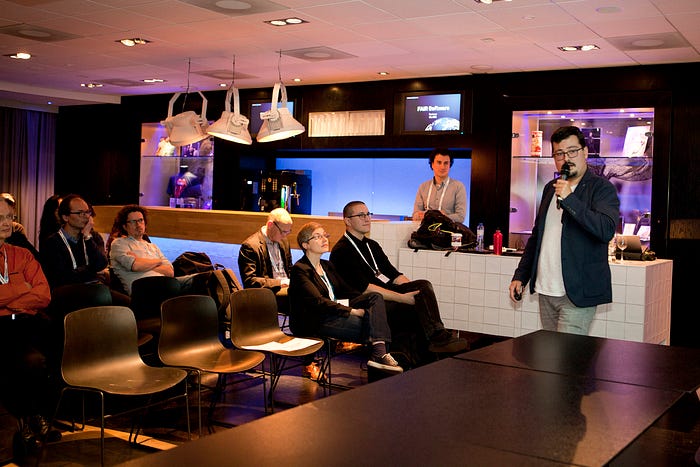
FAIR Software at the 2019 eScience Symposium
Netherlands eScience Center·Nov 28, 2019
Accelerating the search for dark matter
eScience Editorial Team·Nov 28, 2019
Optimizing plasma sources through numerical simulation
Hanno Spreeuw·Oct 21, 2019
eScience trends from ADASS 2019
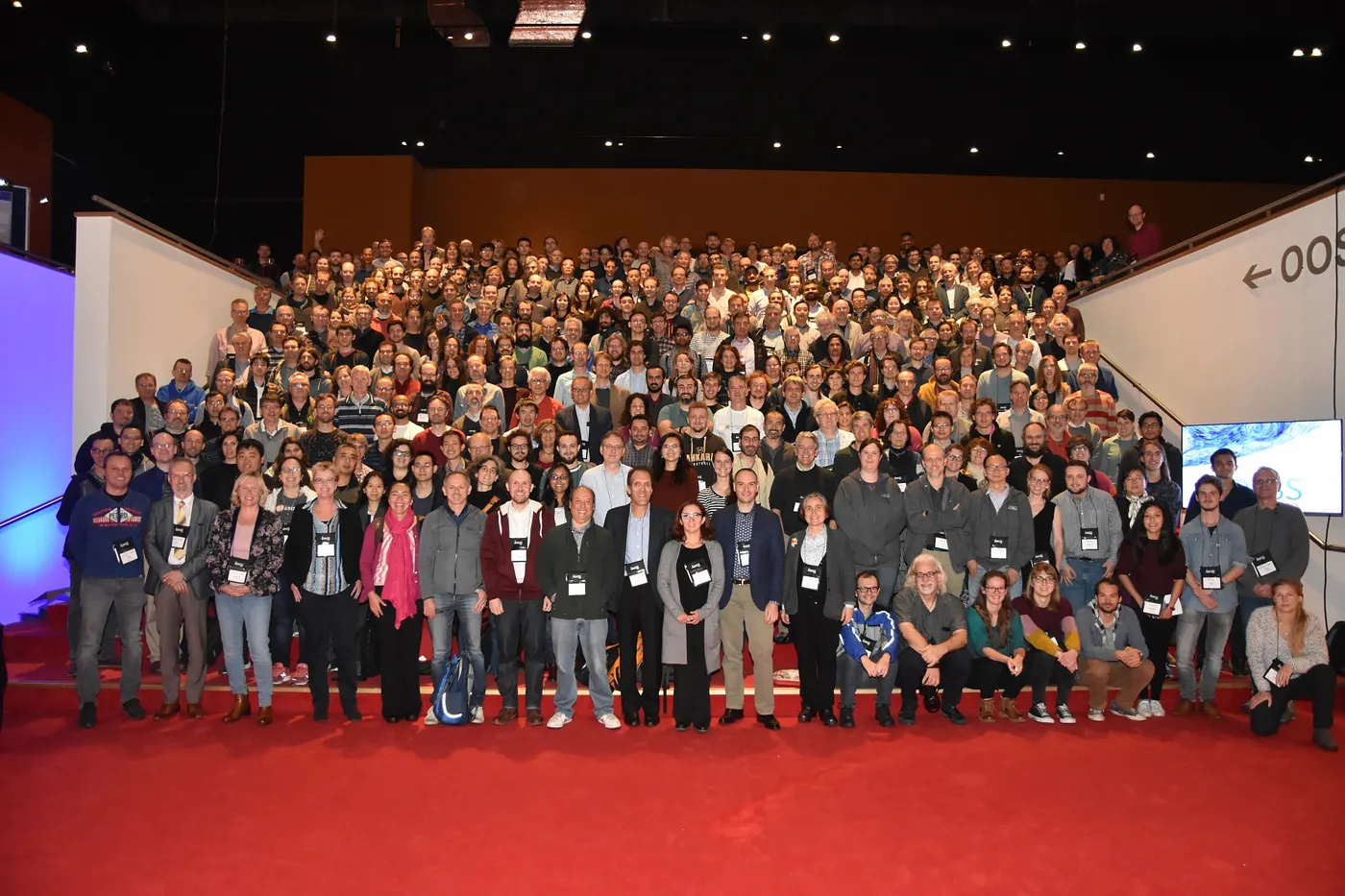
Carlos Martinez-Ortiz·Oct 18, 2019
RSEConUK 2019
Carlos Martinez-Ortiz·Oct 3, 2019
NARCIS connects to the Research Software Directory
eScience
Florian Huber·Sep 24, 2019
Highlights from the European Conference on Machine Learning 2019
eScience Editorial Team·Jul 18, 2019
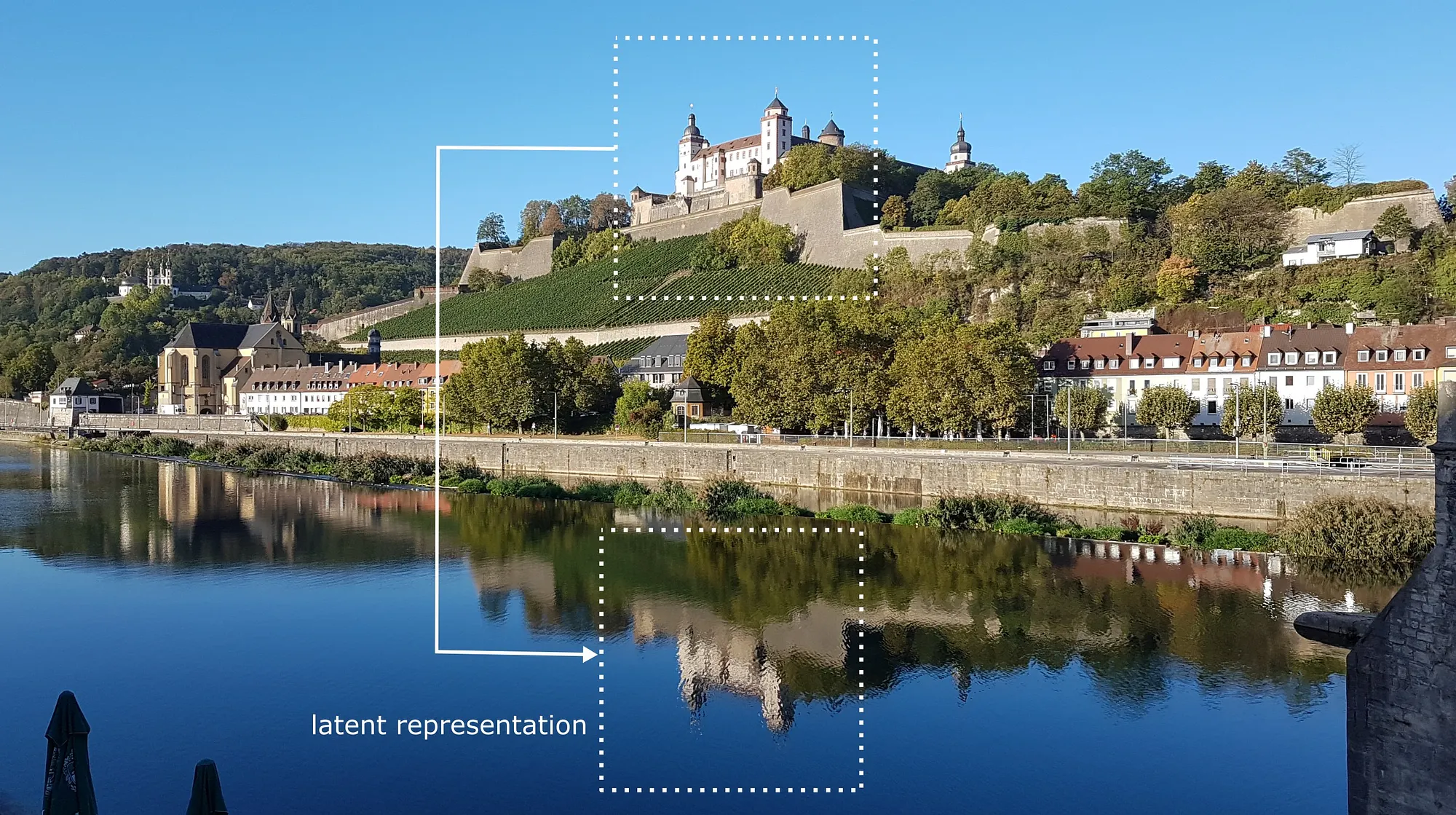
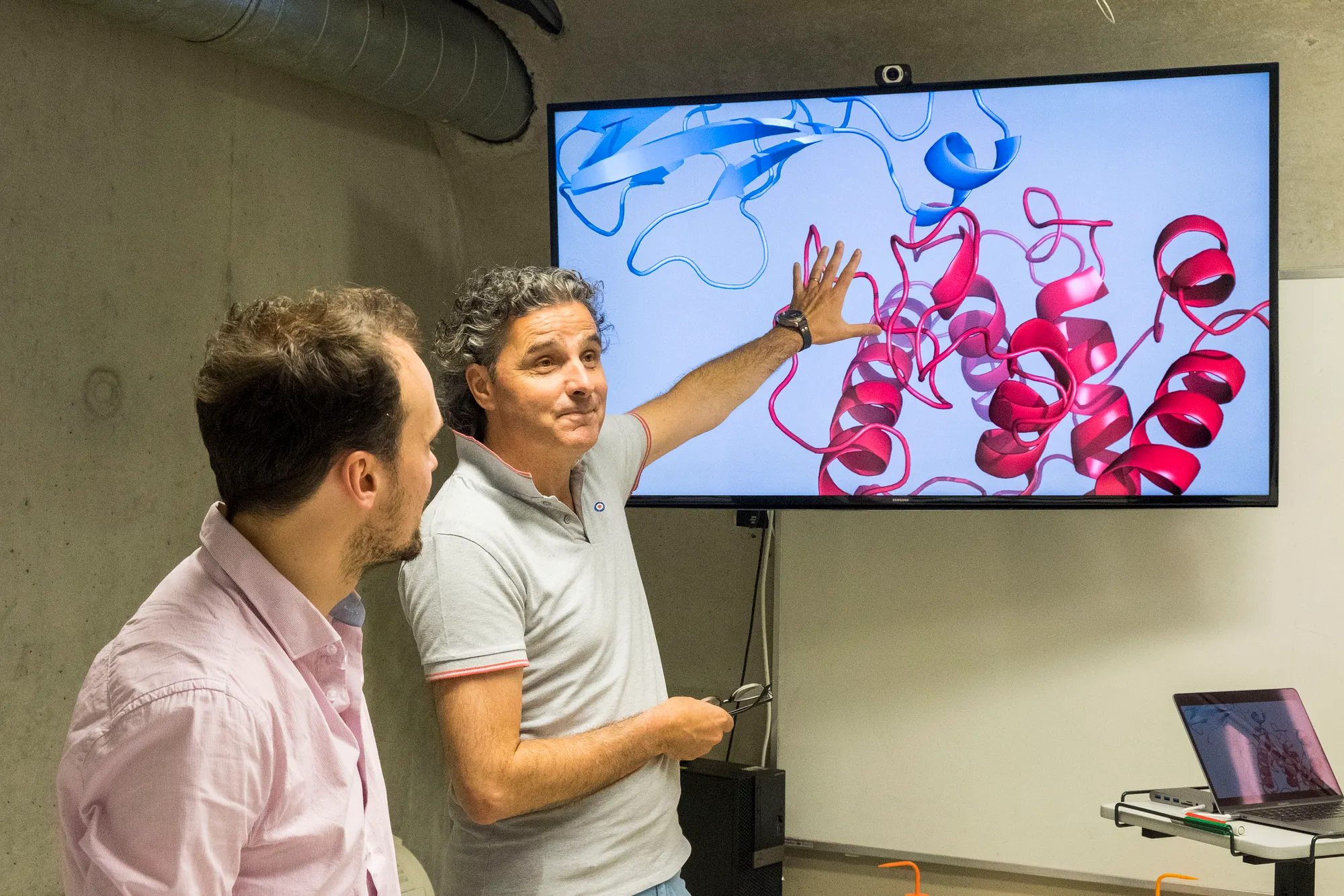
Using deep neural networks to understand molecular interactions
Florian Huber·Jul 15, 2019
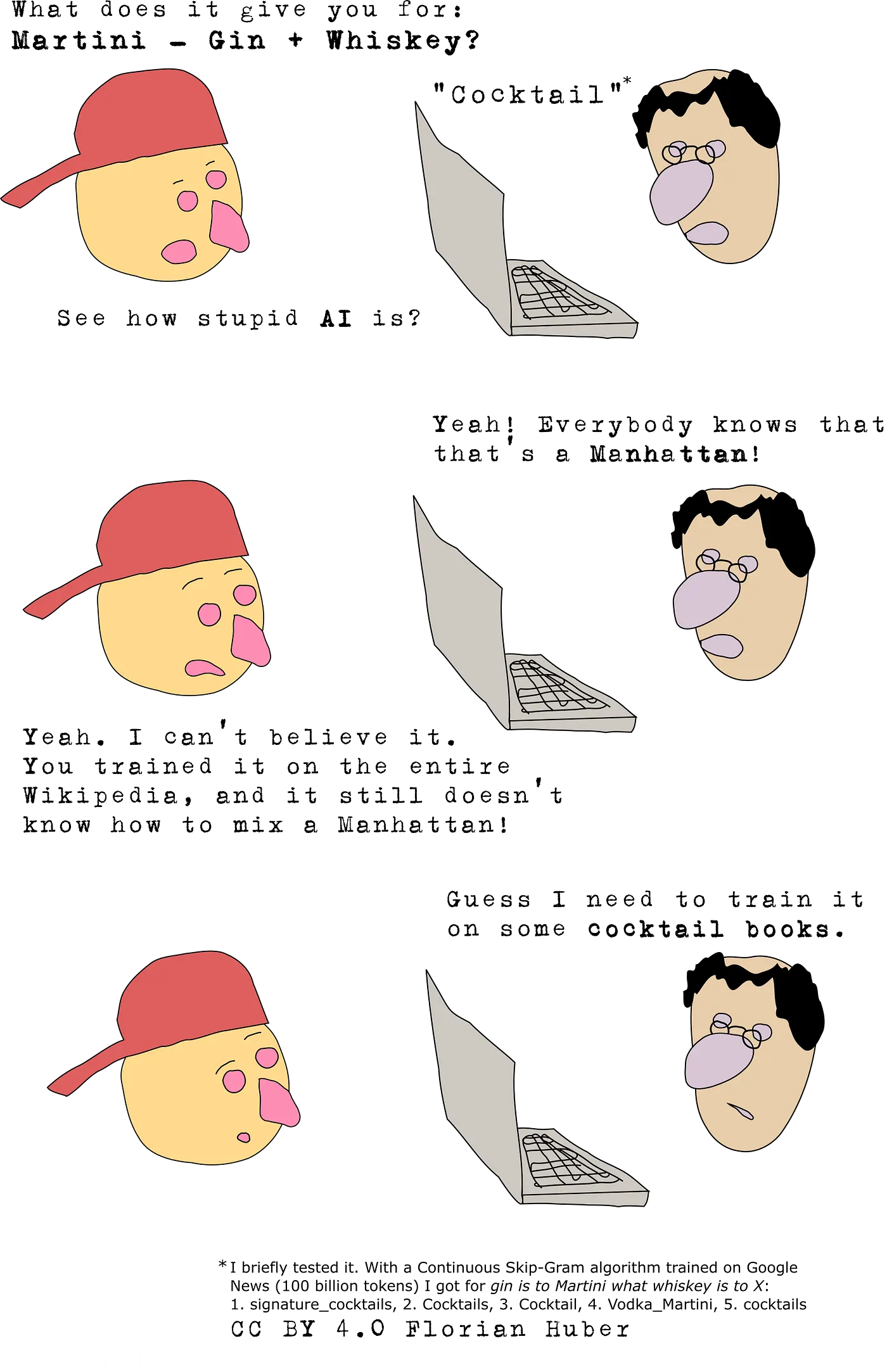
King - Man + Woman = King ?
Johan Hidding·Jul 2, 2019
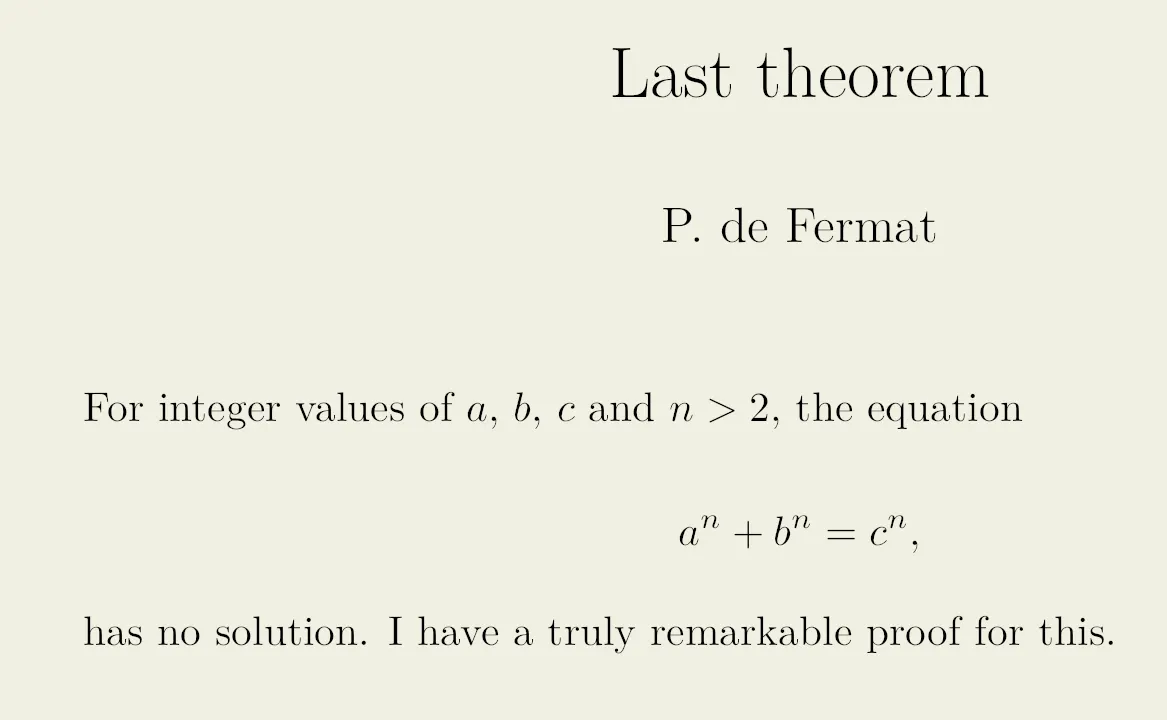
why all you’ll ever need is markdown
Florian Huber·Jun 24, 2019
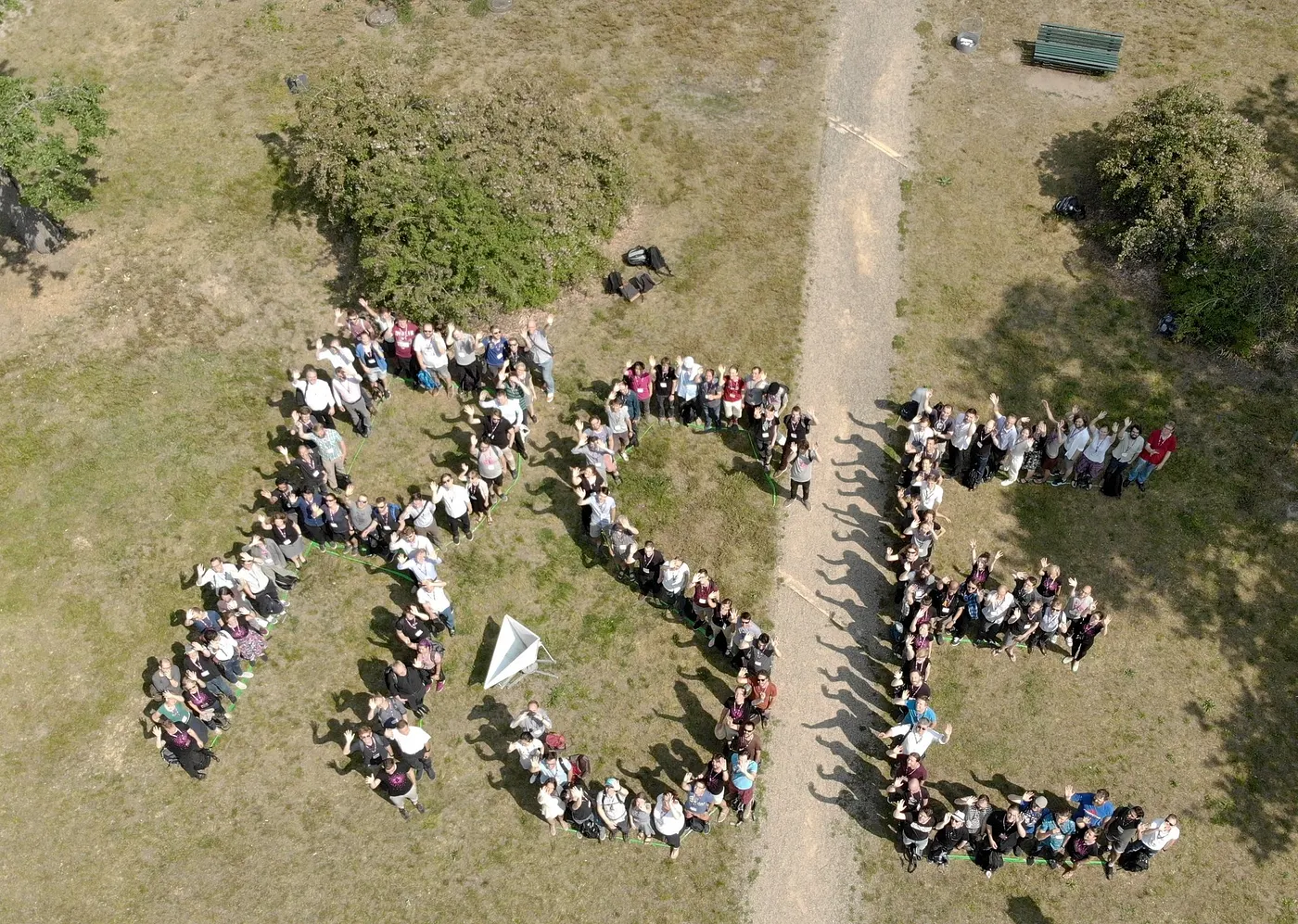
derse 2019 first conference for research software engineers in germany
Sonja Georgievska·Jun 20, 2019
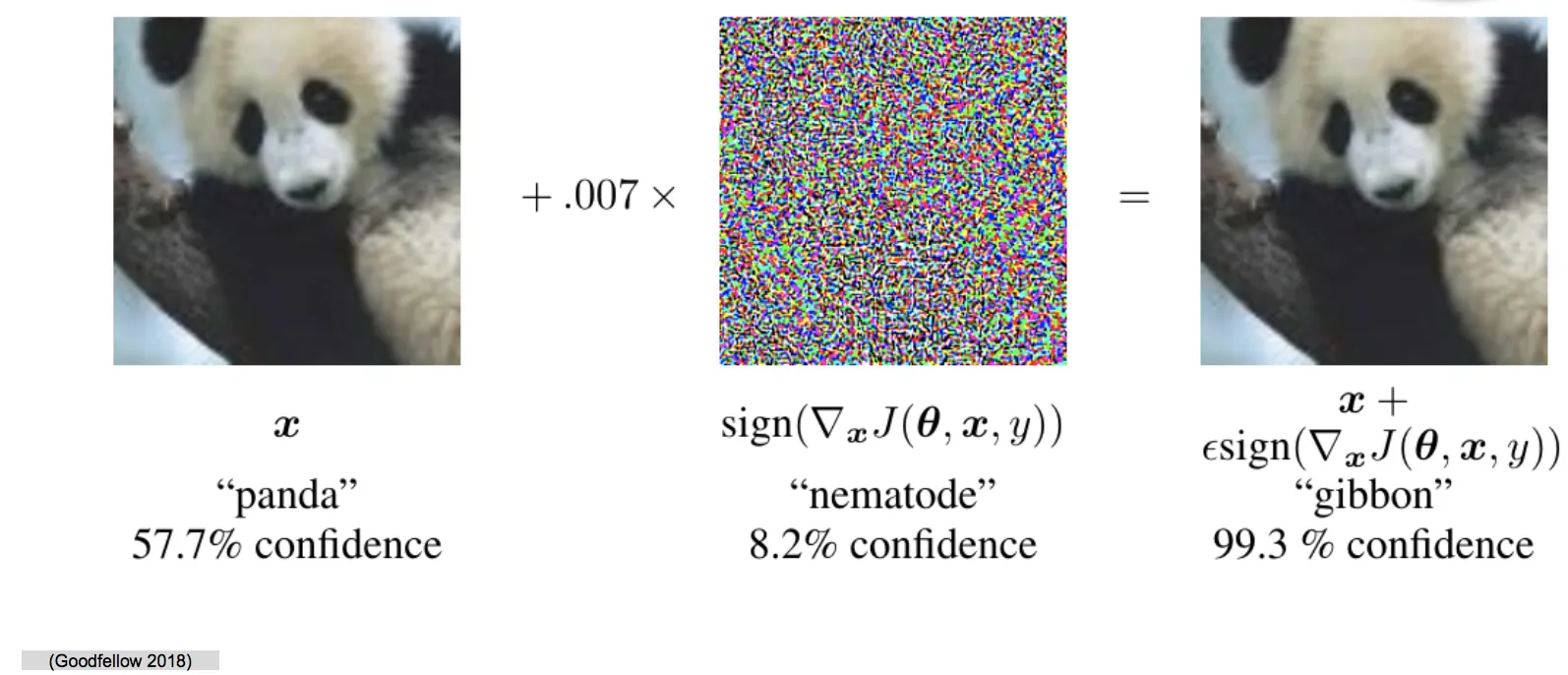
turning a panda into a cat!
Florian Huber·Jun 14, 2019
big questions — small data.
Sonja Georgievska·Jun 12, 2019
explainable ai exit or infinite loop

Johan Hidding·Jun 3, 2019
breaking the barrier fluid simulations parallel-in-time.

Felipe·May 29, 2019
some thoughts about developing software for scientific applications

Patrick Bos·May 23, 2019
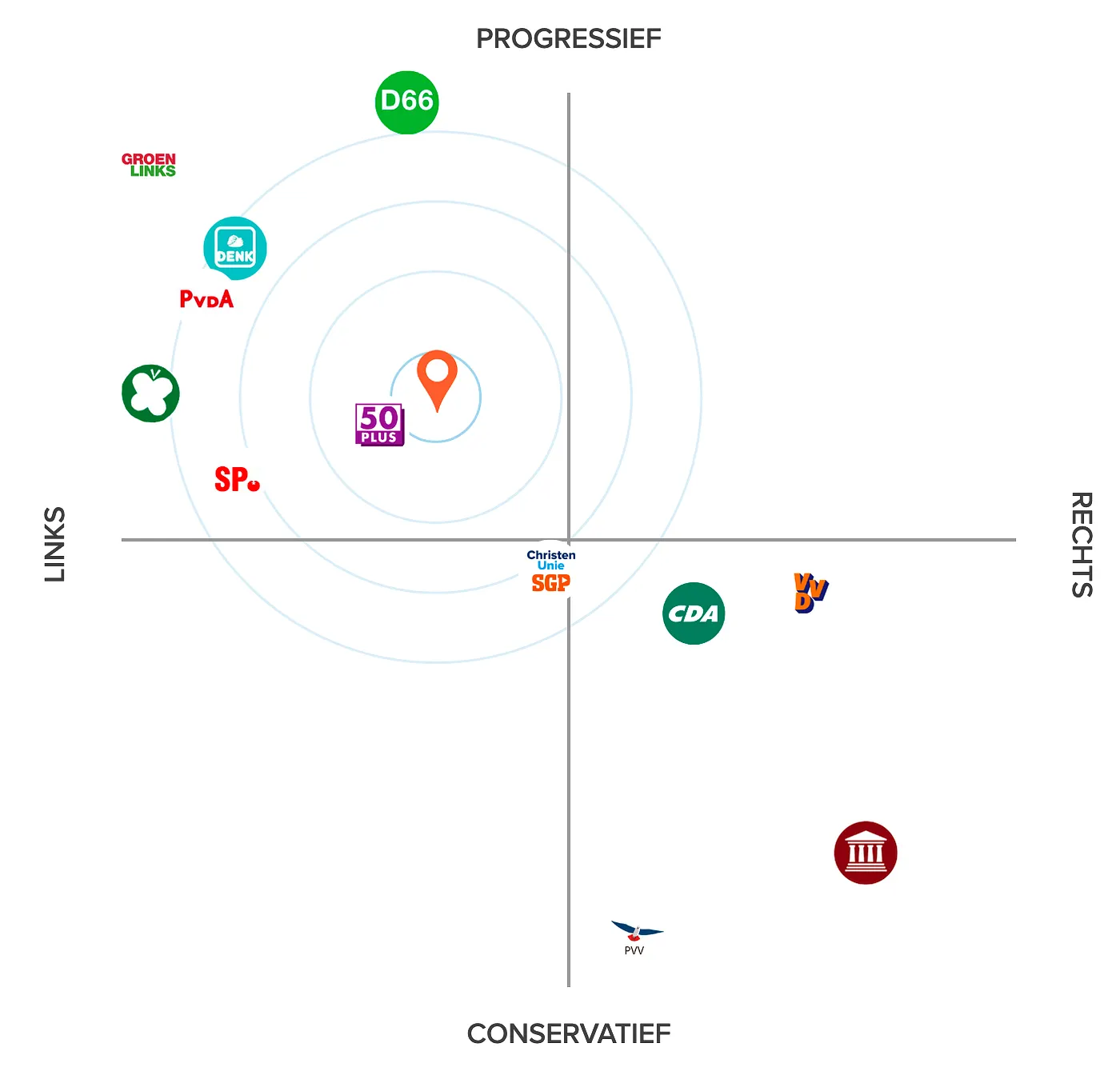
democracy
eScience Editorial Team·Apr 4, 2019
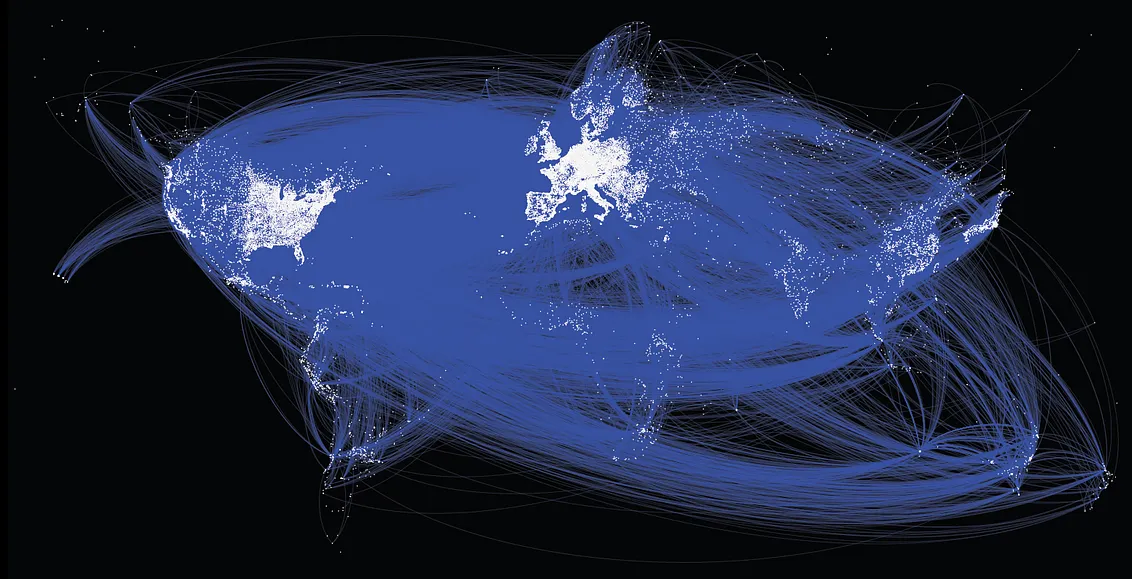
understanding global corporate networks
Florian Huber·Mar 4, 2019
superhuman blog post

Ronald van Haren·Feb 5, 2019
fairifying ewatercycle

Johan Hidding·Jan 30, 2019
enTangleD
Patrick Bos·Jan 23, 2019
c++ compile-time exceptions

Felipe·Jan 9, 2019
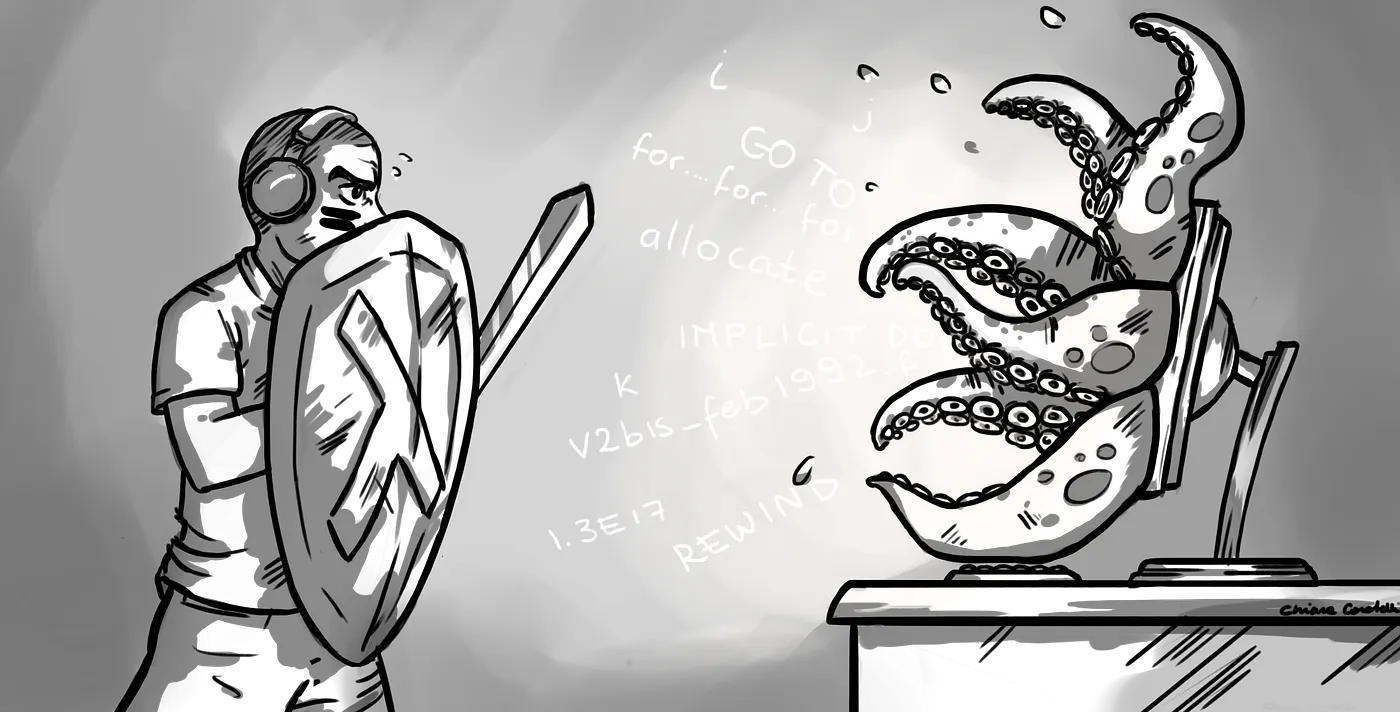
dealing with dragons and monsters best practices for handling legacy code
Jurriaan H. Spaaks·Dec 20, 2018
portable hpc workflows with snakemake and xenon
eScience Editorial Team·Dec 17, 2018
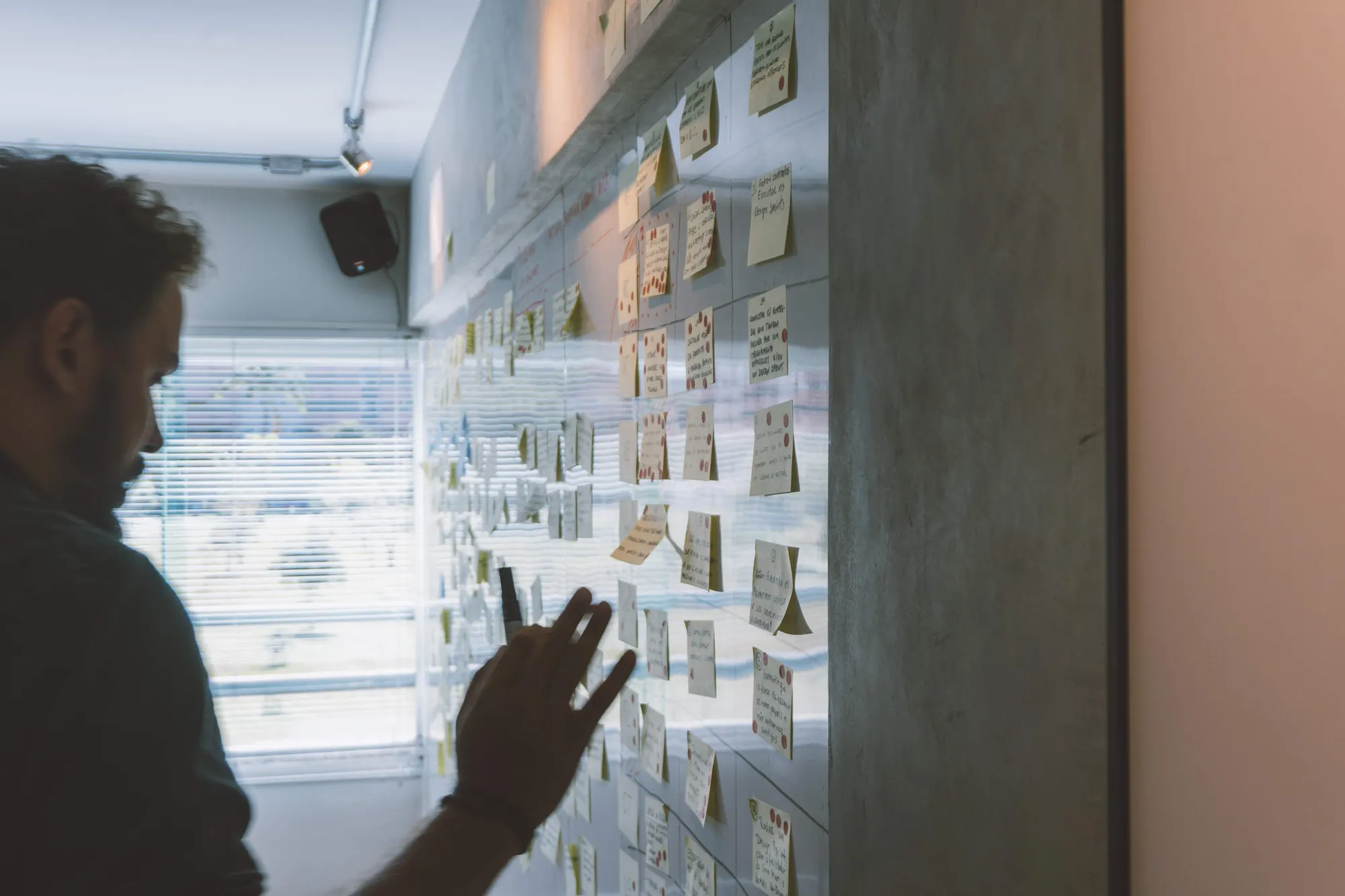
using agile methods in scientific software development
eScience Editorial Team·Dec 17, 2018
using agile methods in scientific software development 1
Janneke van der Zwaan·Dec 12, 2018
Testing shell commands from Python

Jurriaan H. Spaaks·Dec 11, 2018
the research software directory and how it promotes software citation
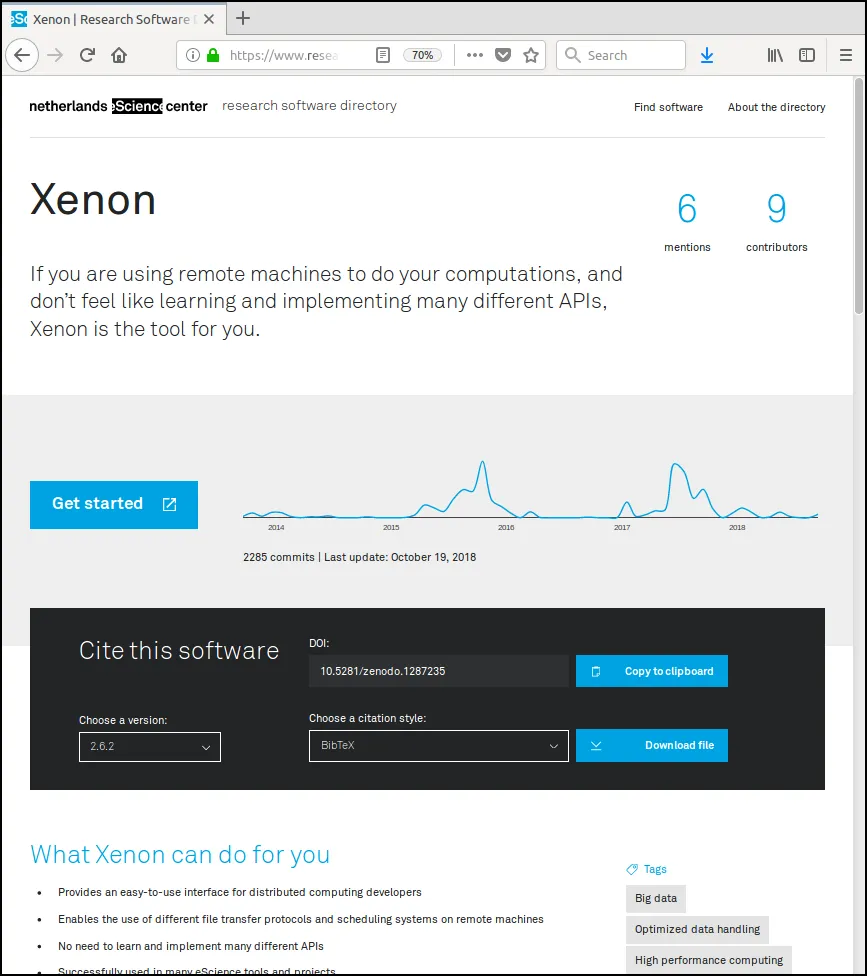
eScience Editorial Team·Dec 3, 2018
how do we evaluate research software to meet different requirements

eScience Editorial Team·Nov 29, 2018
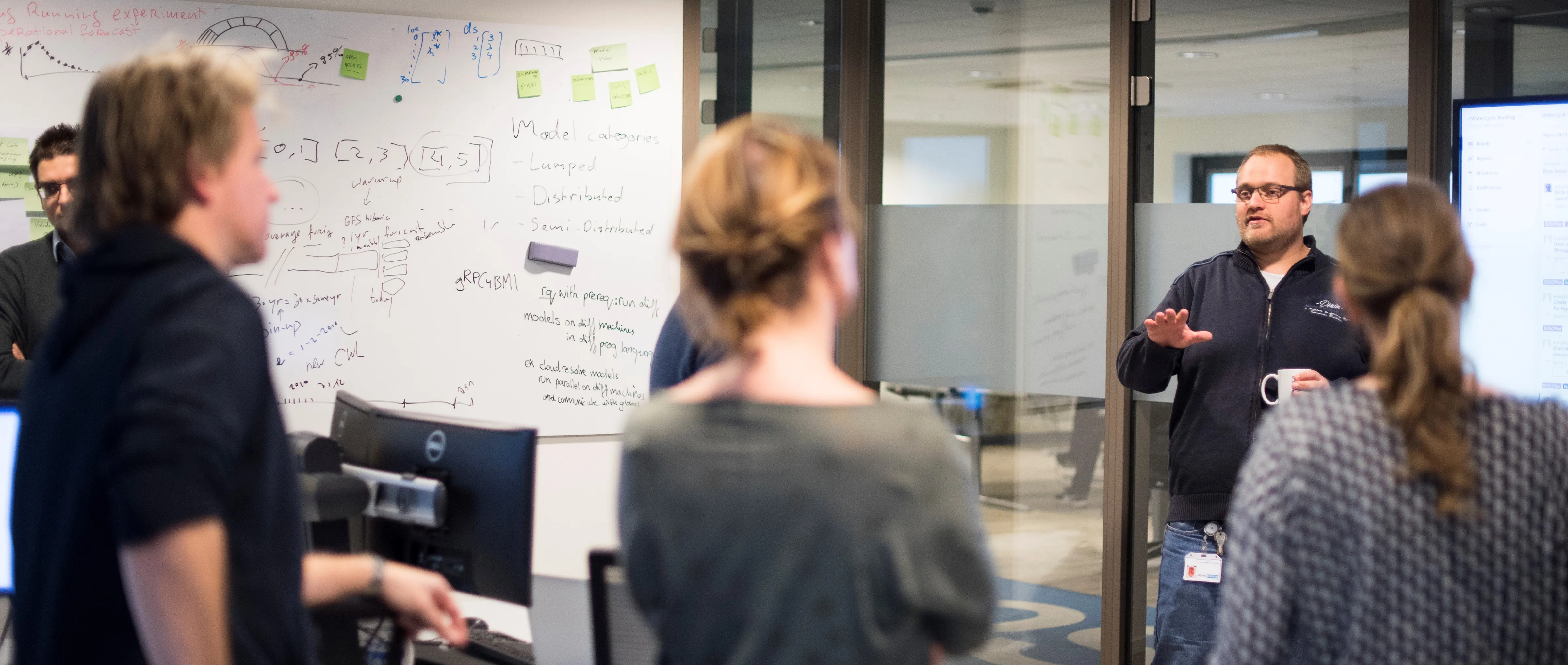
nice hydrographs for everyone from everyone
Maarten van Meersbergen·Sep 27, 2018
Why more scientists should attend SIGGGRAPH for inspiration!
eScience Editorial Team·Sep 26, 2018
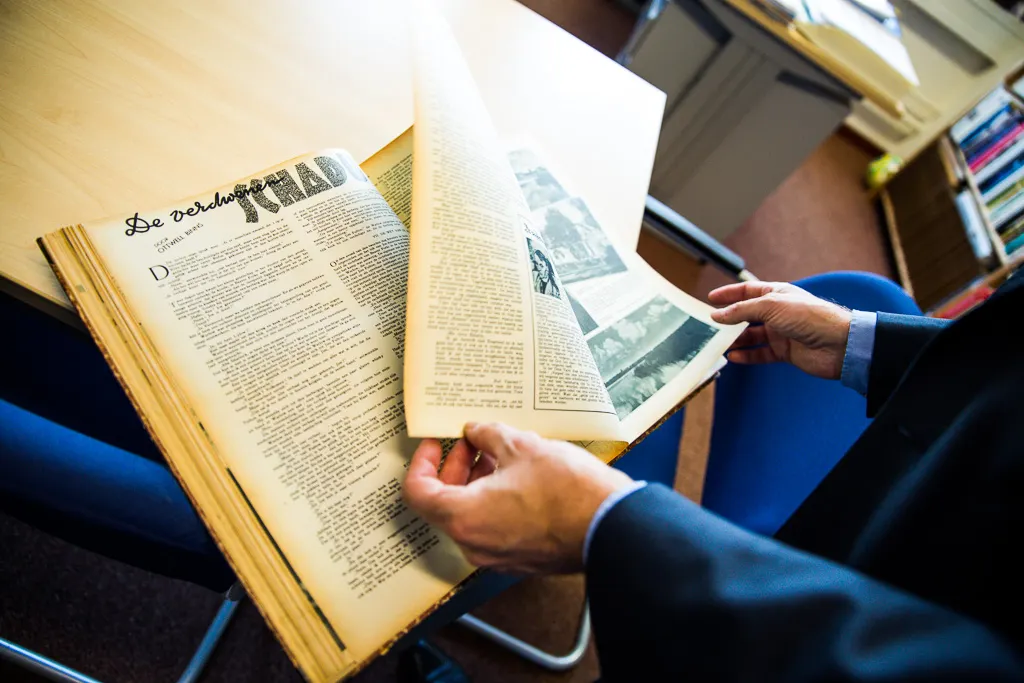
analyzing the ‘life’ of newspapers with machine learning
Carlos Martinez-Ortiz·Sep 17, 2018
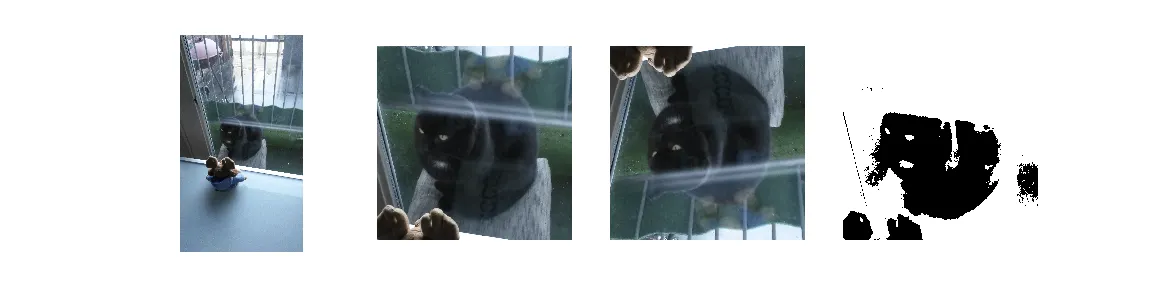
Want to organize a workshop on image processing
Elena Ranguelova·Sep 6, 2018
is an escience research engineer simply a computer scientist in disguise
Patrick Bos·Sep 3, 2018
50 times faster data loading for pandas no problem

Atze van der Ploeg·Aug 14, 2018
why use an fpga instead of a cpu or gpu
Patrick Bos·Aug 6, 2018
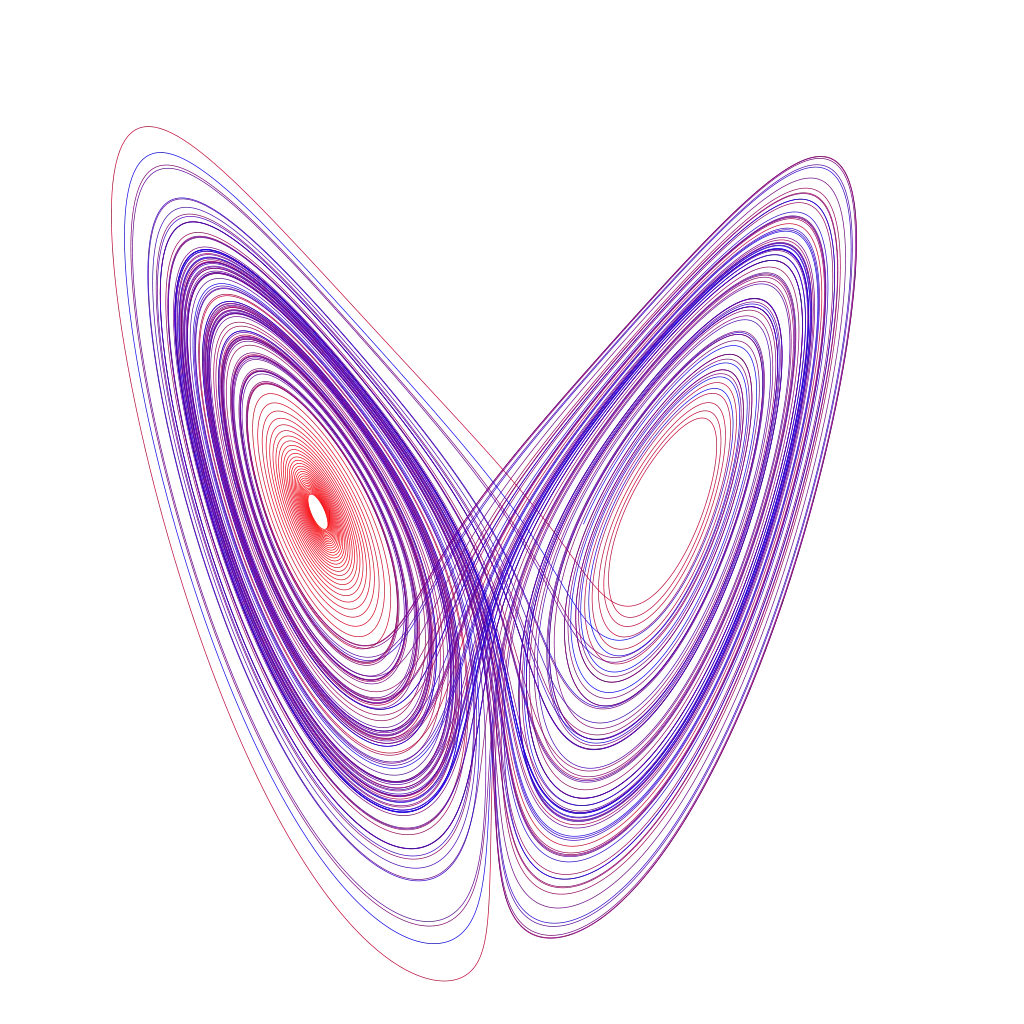
floating (point) butterfly effect
Janneke van der Zwaan·Aug 1, 2018
jump start your python project with this template

eScience Editorial Team·Jul 12, 2018
what we can learn from tomatoes — feeding the planet with improved plant breeding
eScience Editorial Team·Jul 11, 2018
the end of theory for earth sciences
Carlos Martinez-Ortiz·Jun 12, 2018
Flavour your linked data with garlic
Patrick Bos·Jun 5, 2018
blobs, bumps, clouds and clusters
eScience Editorial Team·Apr 13, 2018
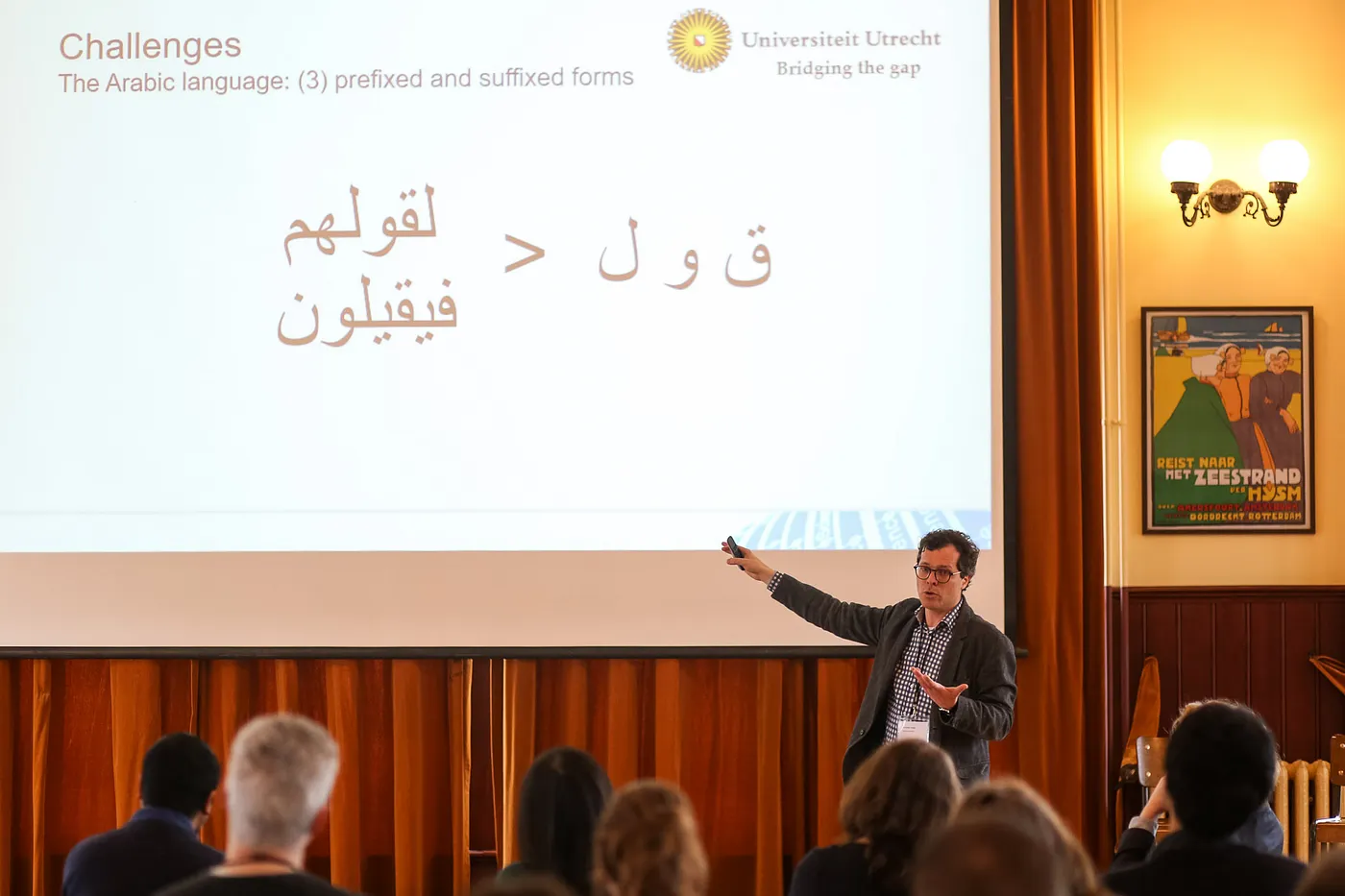
research and software perspectives from different communities
Erik Tjong Kim Sang·Mar 20, 2018
active learning
Faruk Diblen·Jan 16, 2018
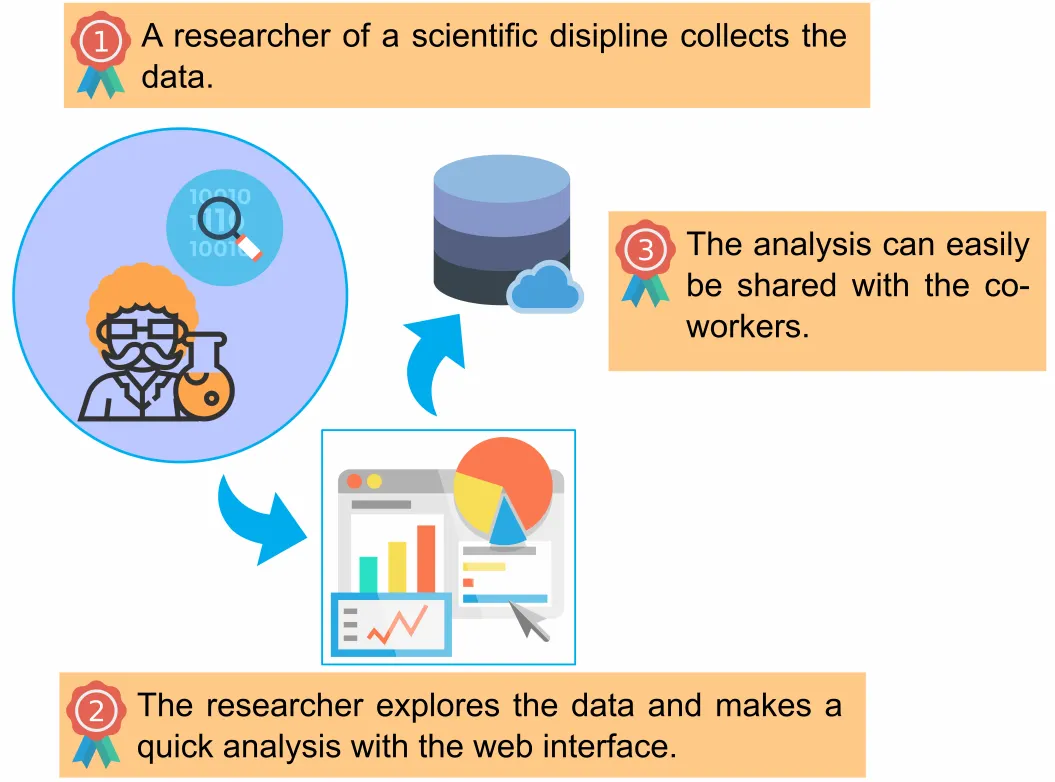
spot visual scientific data analytics made easy
eScience Editorial Team·Dec 20, 2017
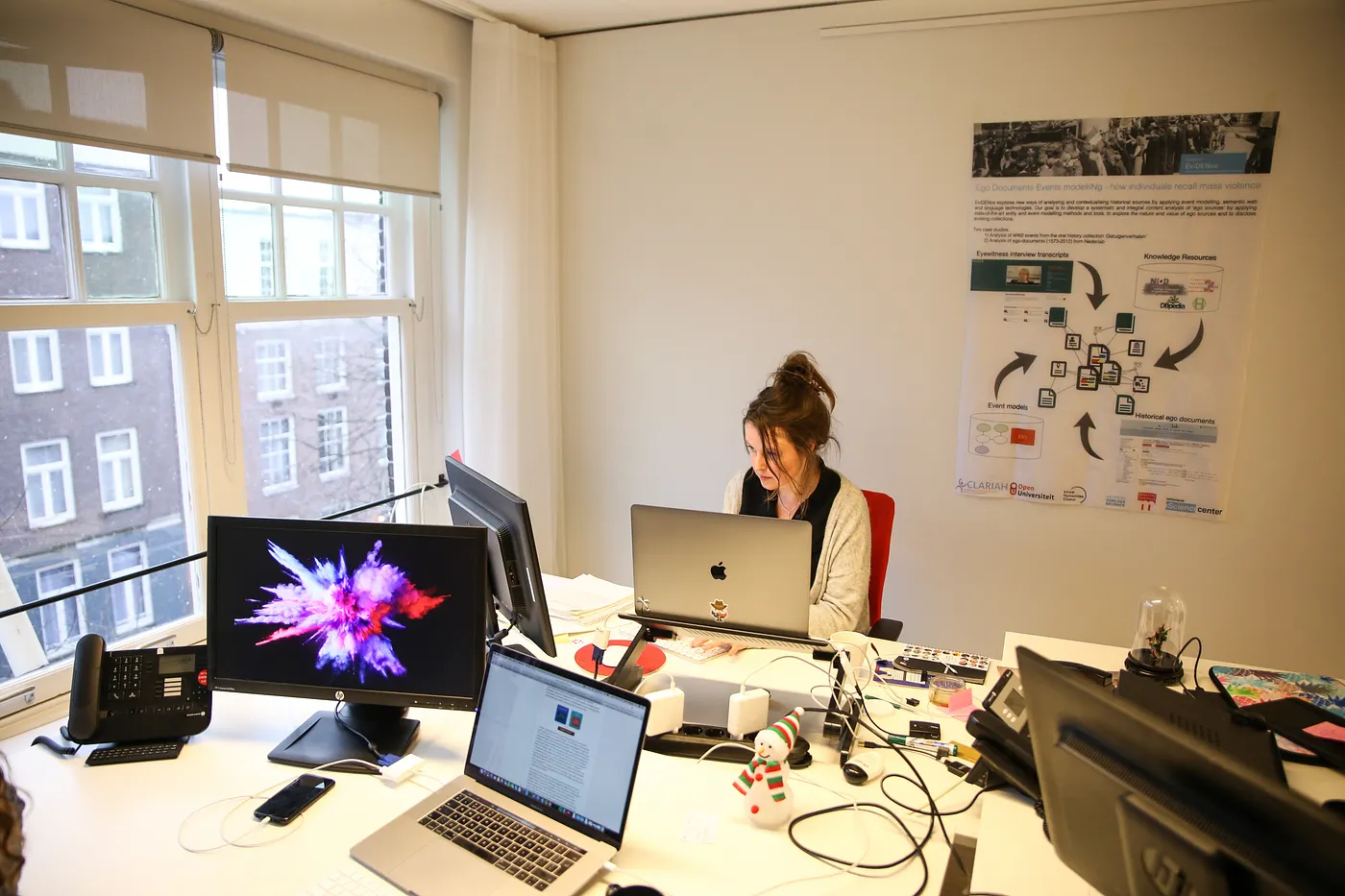
digital technologies to analyze eyewitness accounts of mass violence
Hanno Spreeuw·Dec 20, 2017
escience is about being bold enough to ask the right questions at the right time
eScience Editorial Team·Dec 20, 2017
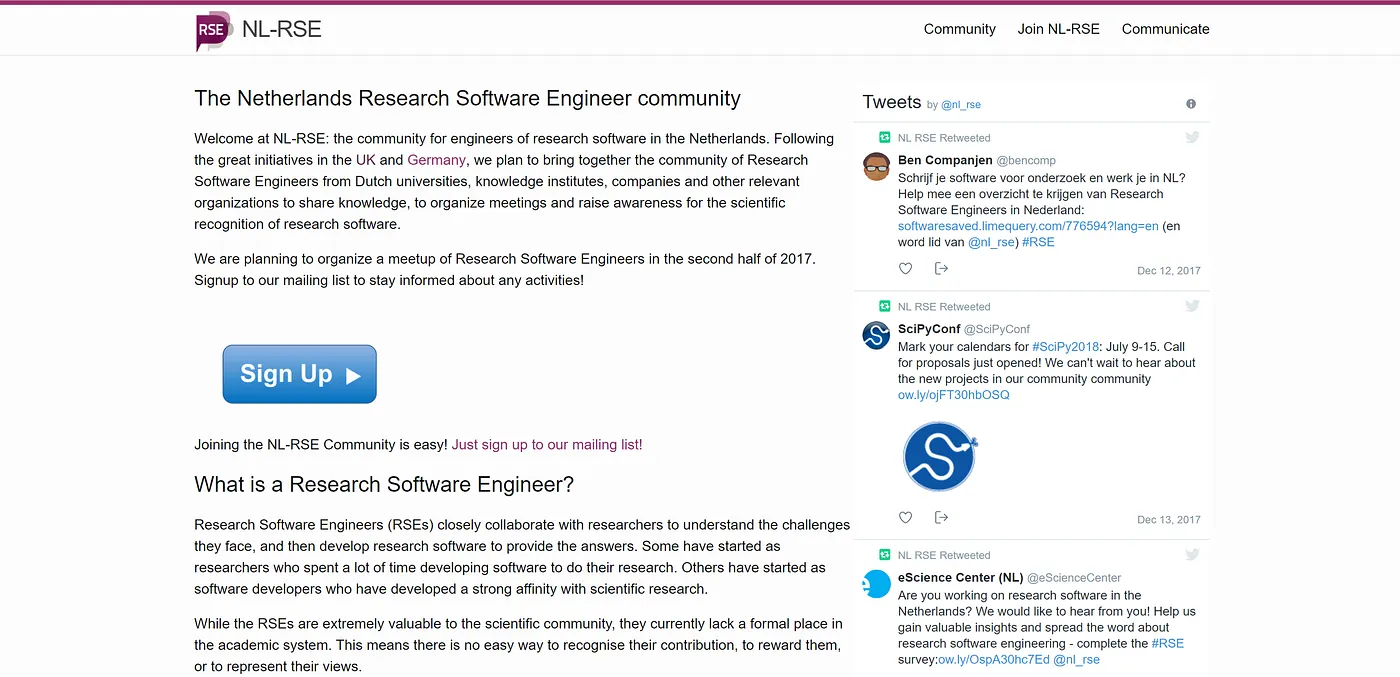
introducing nl-rse
Ben van Werkhoven·Dec 18, 2017
Writing Testable GPU Code
eScience Editorial Team·Oct 18, 2017
teaching machines to recognize cancer
Carlos Martinez-Ortiz·Oct 17, 2017
Demagification of Python, Git and Shell
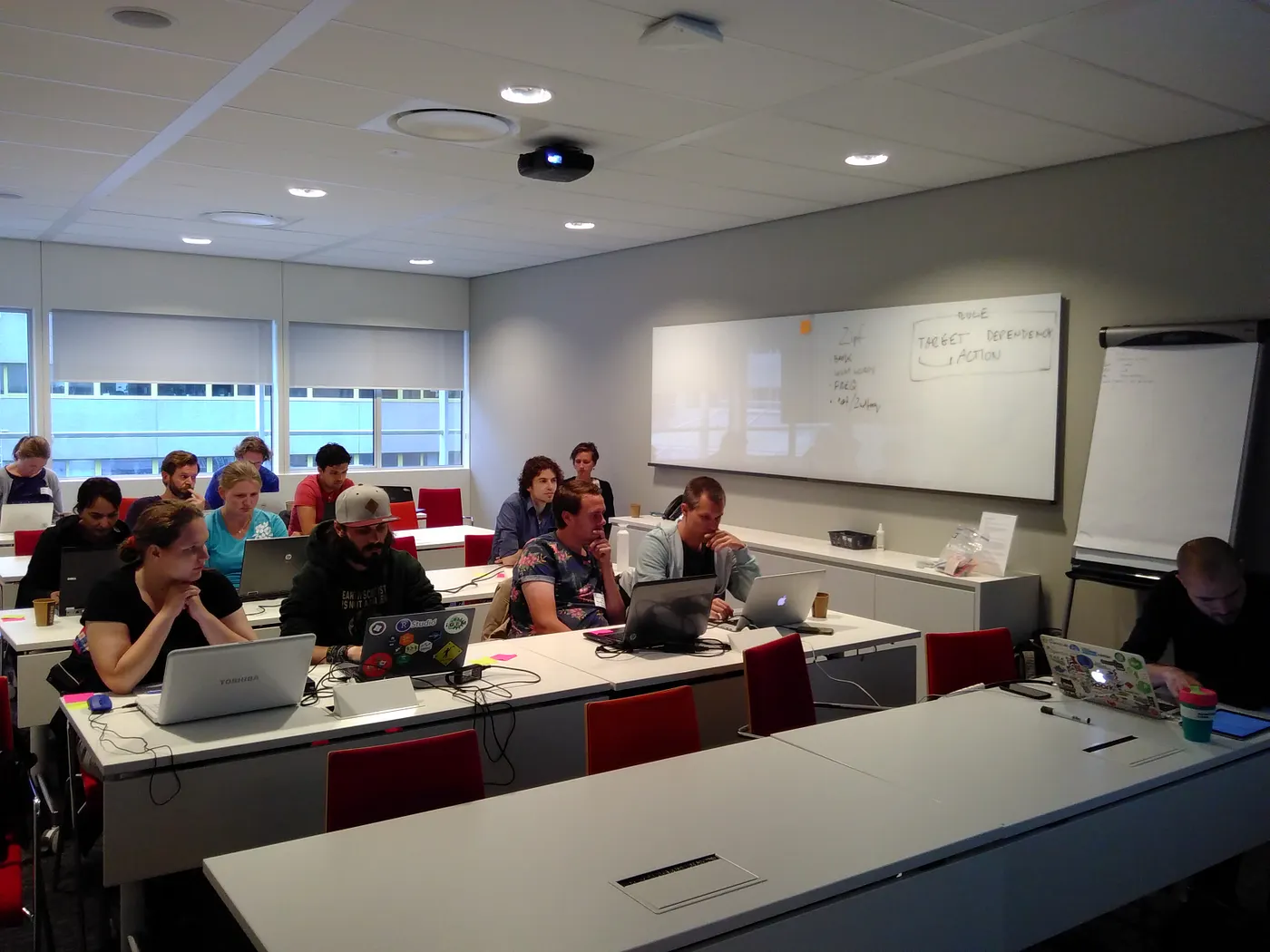
Lourens Veen·Oct 5, 2017
free as in free market
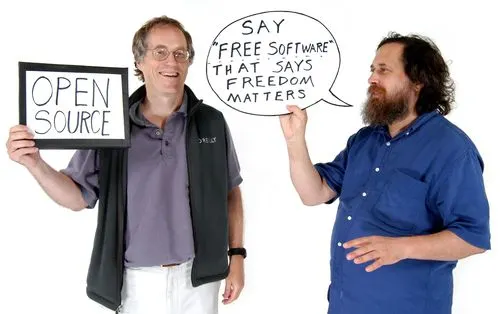
Vincent van Hees·Sep 11, 2017
10 ways to keep your successful scientific software alive
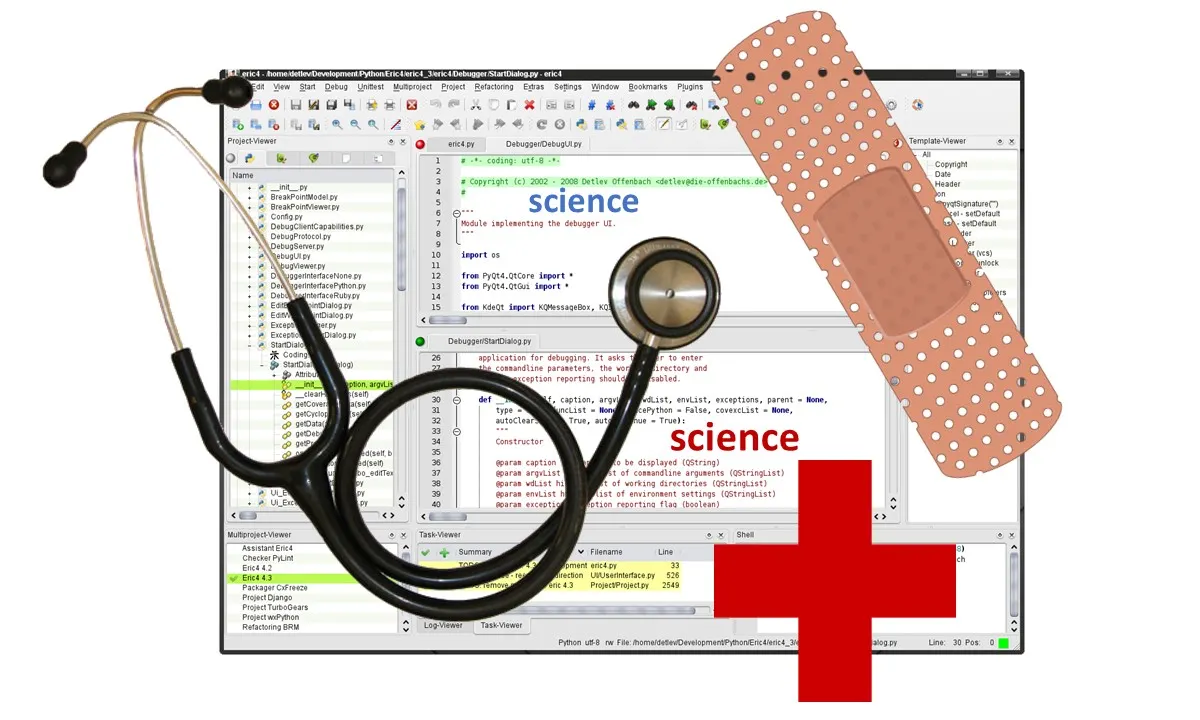
Ronald van Haren·Aug 23, 2017
predicting temperatures in your street
Maarten van Meersbergen·Aug 7, 2017
Reading News, visually.

eScience Editorial Team·Jul 17, 2017
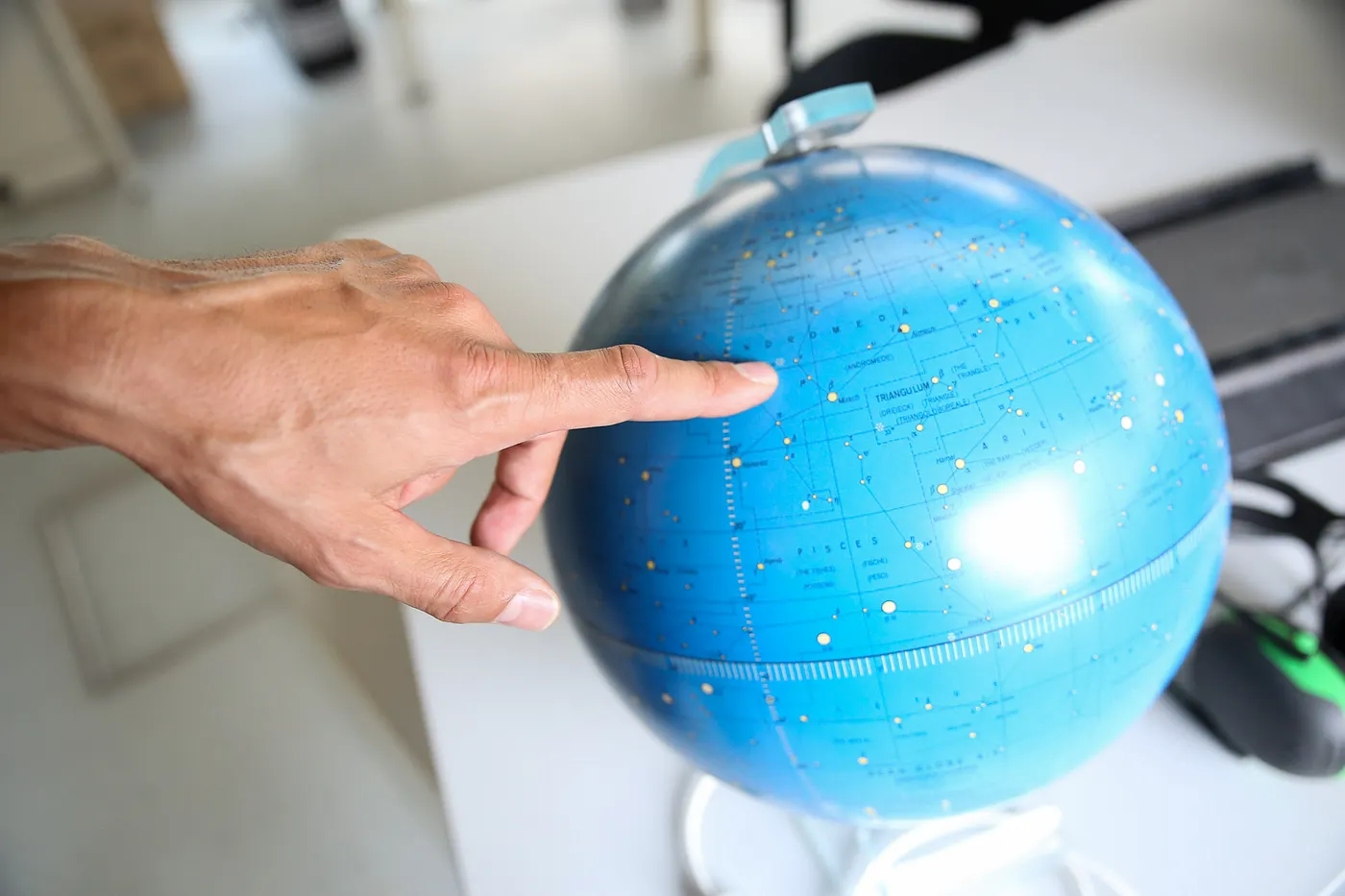
an ambition for the global astronomical community
Maarten van Meersbergen·Jul 3, 2017
binge-watching science on youtube the good, the epic and the brilliant
eScience Editorial Team·Jun 21, 2017
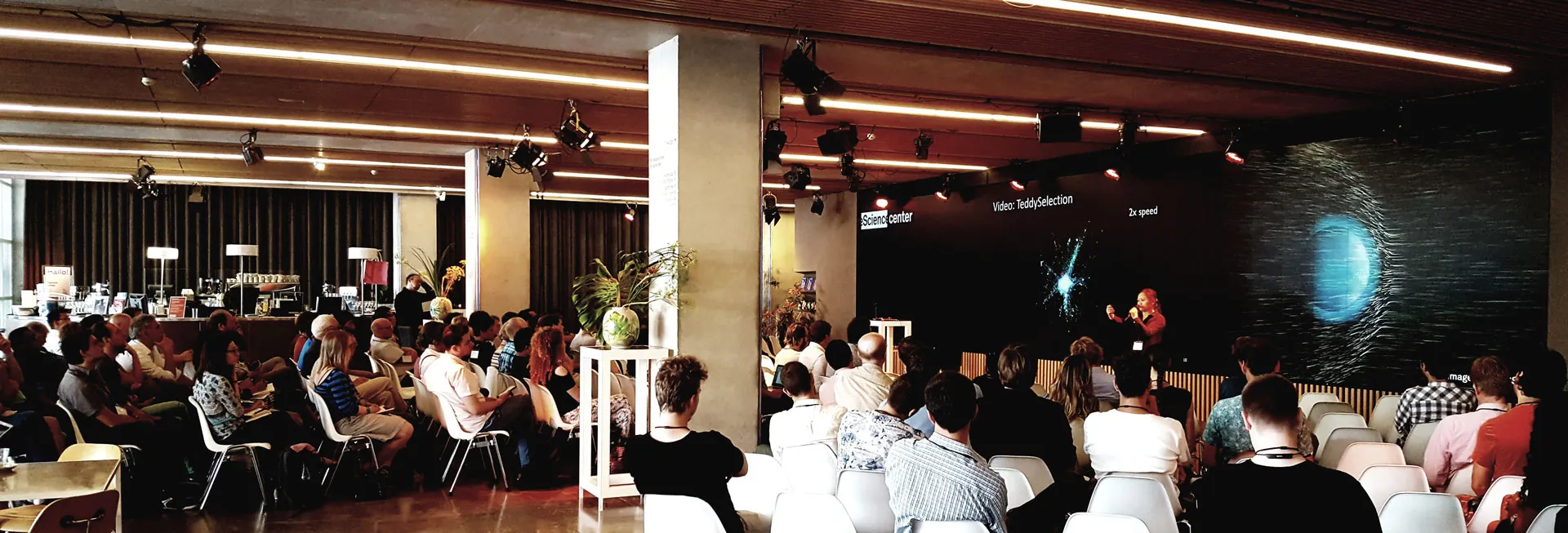
what is the impact of visualization on science
Lourens Veen·May 23, 2017
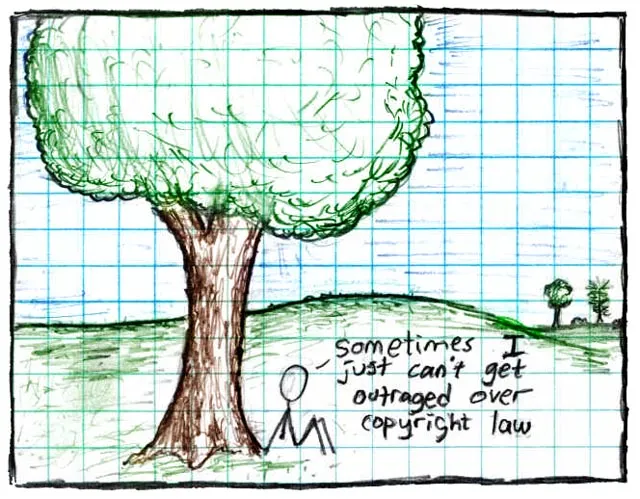
a license to science
eScience Editorial Team·Apr 3, 2017
how can network analysis lead to a new way of studying court decisions
Dafne van Kuppevelt·Mar 20, 2017
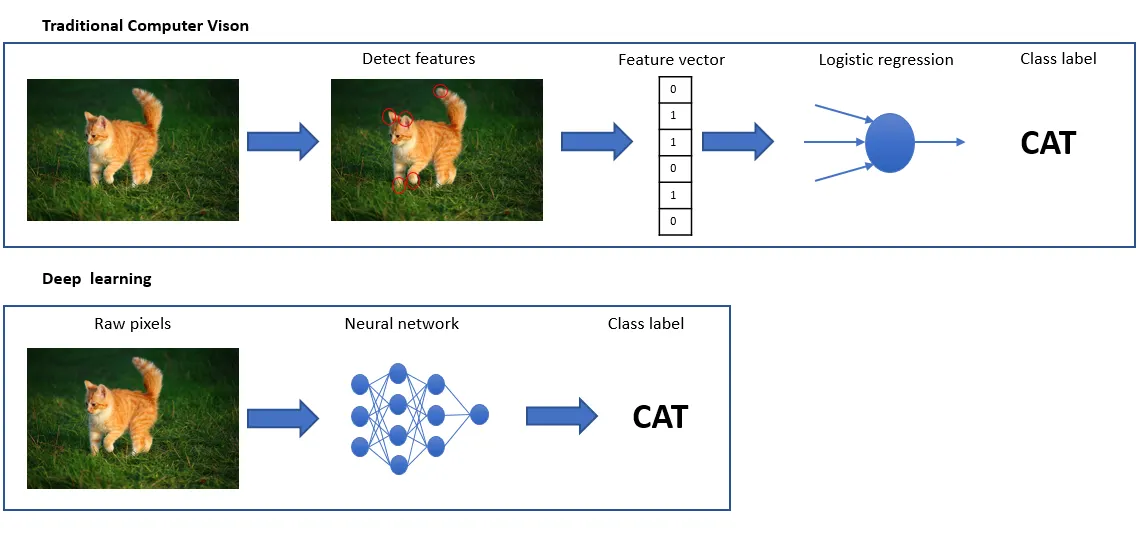
mcfly time series classification made easy
Niels Drost·Mar 13, 2017
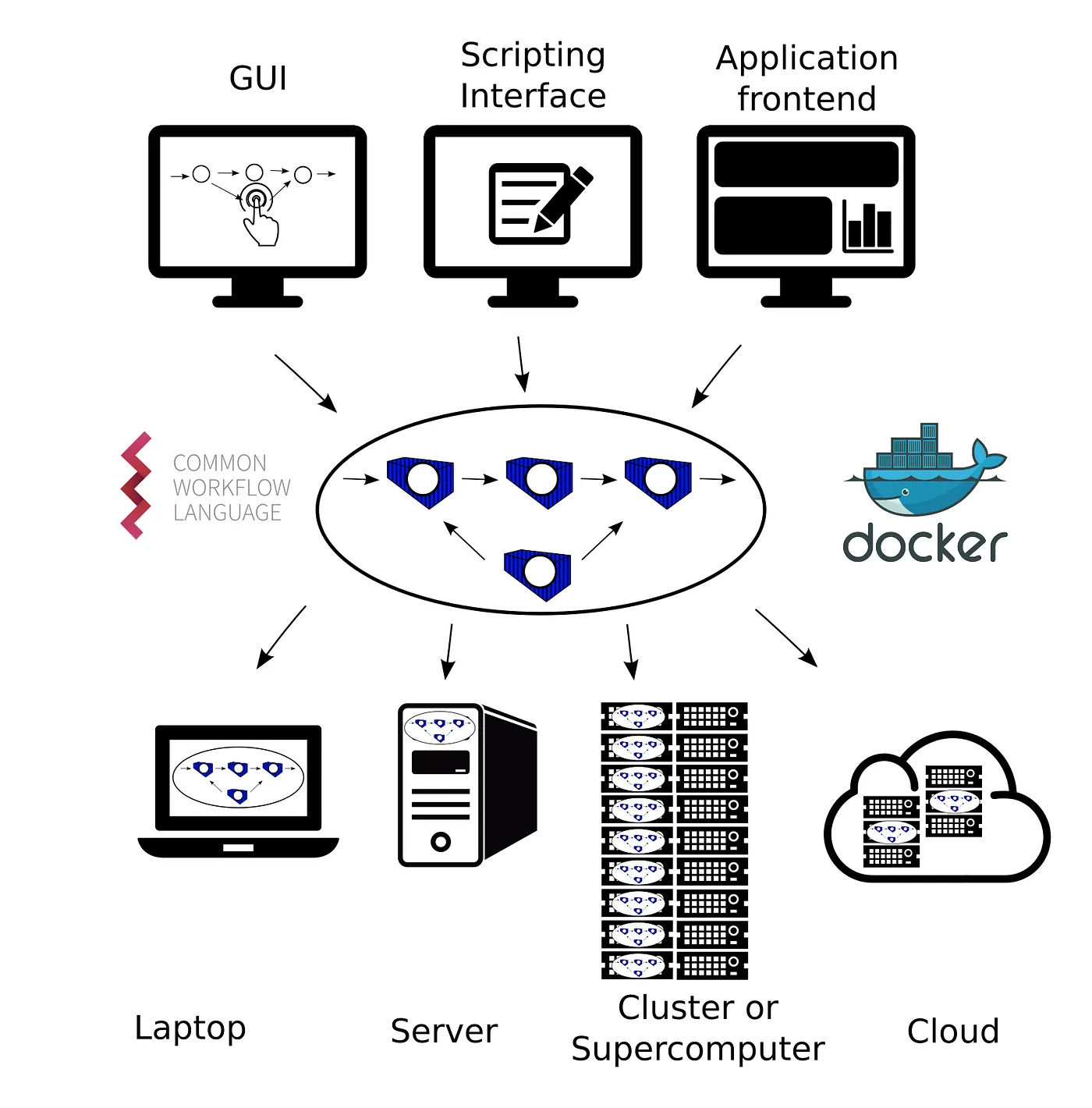
Reproducible Science The Common Workflow Language
Lode Kulik·Mar 2, 2017
Five reasons why the eScience Center blog helps science

Vincent van Hees·Feb 28, 2017
So I wanted to be a Research Software Engineer

Patrick Aerts·Feb 21, 2017
Reaching for the sky Wishes for the European Open Science Cloud

Rob van Nieuwpoort·Feb 9, 2017
First Light! … again! Shiny new receivers for the Westerbork telescope.
Patrick Bos·Feb 6, 2017
Travis caching and incremental builds

Maarten van Meersbergen·Feb 6, 2017
What games can teach you (about science)
Carlos Martinez-Ortiz·Feb 6, 2017
What happened during the “Historic newspapers as ‘big data’” congress
Johan Hidding·Feb 3, 2017
Easier Docker in Python

Lode Kulik·Feb 2, 2017
Breaking jargon barriers at Talking eScience 2017
276 articles · RSS · Search all posts